


I simply could not resist. So far, I have had very good experiences with TTArtisan’s autofocus lenses. I enjoy using both the 35mm and the 56mm for spontaneous photo walks or whenever I want a small and lightweight setup. So when I saw that the TTArtisan 23mm F1.8 AF was part of the same series and available for less than €130 during a sale, I was immediately interested. A compact wide-angle prime with autofocus sounded like a very useful lens for street photography, everyday shooting and video.
I bought one for my Nikon Z system hoping to find another affordable hidden gem. Unfortunately, the 23mm did not impress me quite as much as the other TTArtisan AF lenses.
TTArtisan 23mm F1.8 AF at Pergear:
https://www.pergear.com/products/ttartisan-af-23mm-f1-8?ref=K83KL
Affiliate link: If you purchase the lens through this link, I may receive a commission at no additional cost to you.
Build Quality and Handling
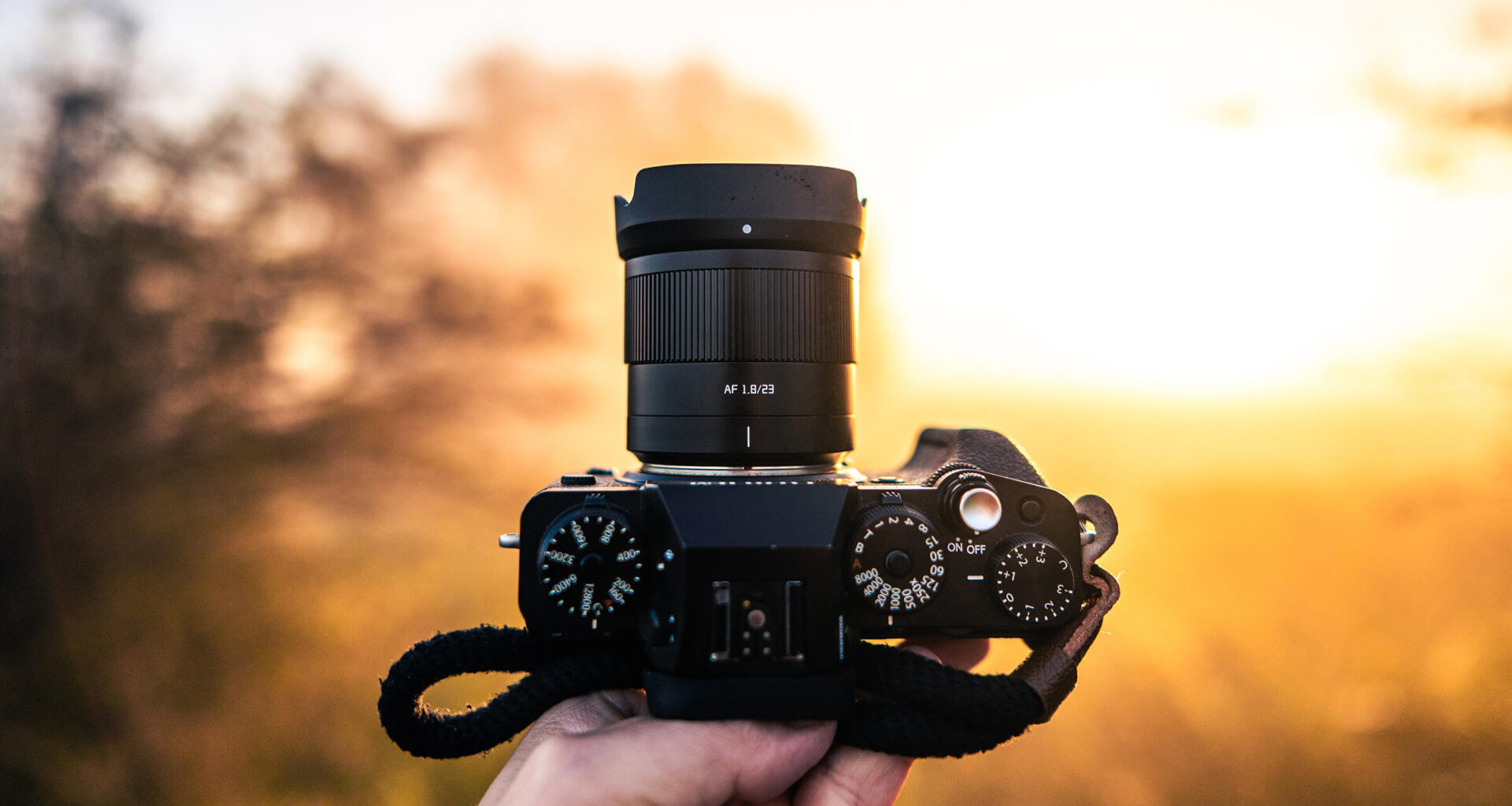
The TTArtisan 23mm F1.8 AF follows the same basic design as the other lenses in the series. You get a metal barrel, compact dimensions and a very simple control layout. There is no aperture ring, no function button and very little else to interact with on the lens itself. For the price, I think that is perfectly acceptable, but the lens definitely feels more functional than premium.
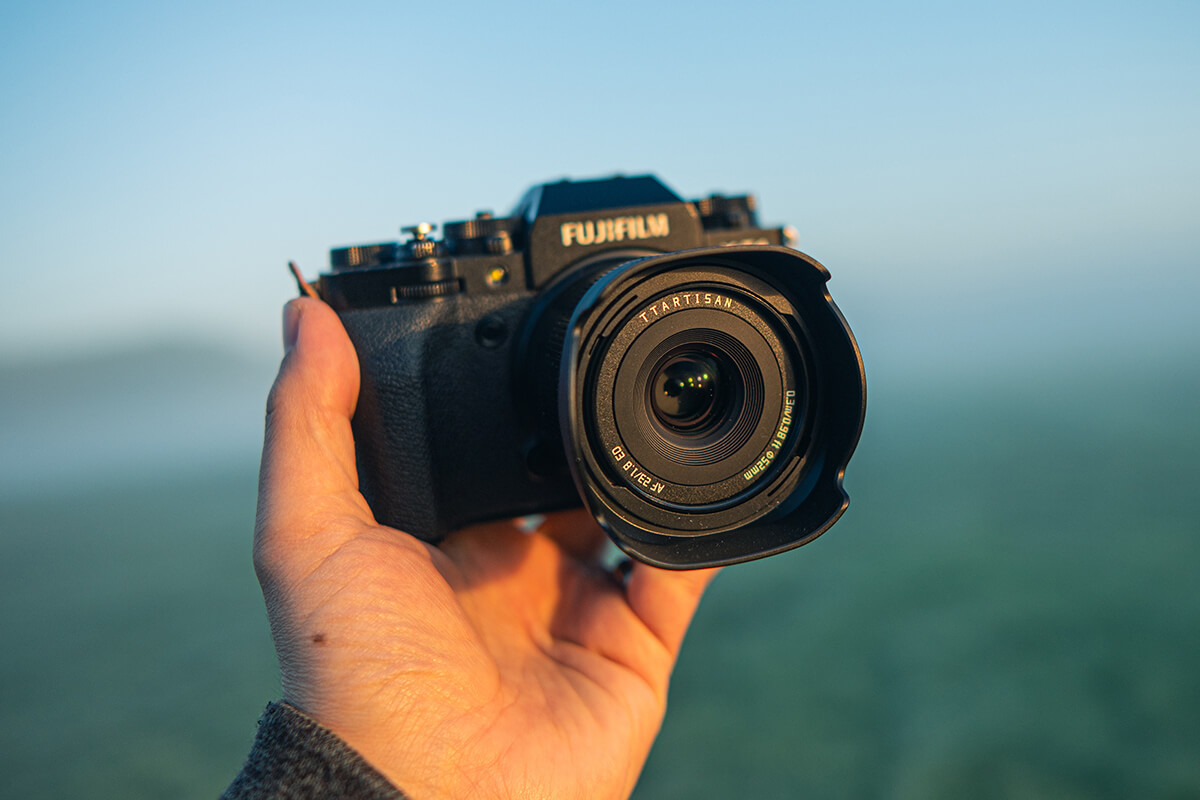
The supplied lens hood is equally simple, but does its job. Overall, the lens feels solid enough and remains pleasantly compact, which is probably one of its biggest advantages. It is exactly the kind of lens I can put on a camera for a walk without thinking too much about weight or size.
Image Quality and Flare Performance
Image quality is where the TTArtisan 23mm F1.8 AF becomes more difficult to judge. In the centre of the frame, sharpness is perfectly decent. When focus is accurate, subjects can look crisp enough for everyday photography, street shooting or general use. Towards the edges and corners, however, the image becomes noticeably softer. Stopping down improves things, but the corners never really reach the level of the centre.
The much bigger issue is flare. As soon as the sun or another strong light source enters the frame, or even sits just outside it, the image can change dramatically. Strong flare, ghosting and large areas of reduced contrast appear very easily. Some of these effects can look creative, but others simply make the image look washed out or technically flawed.
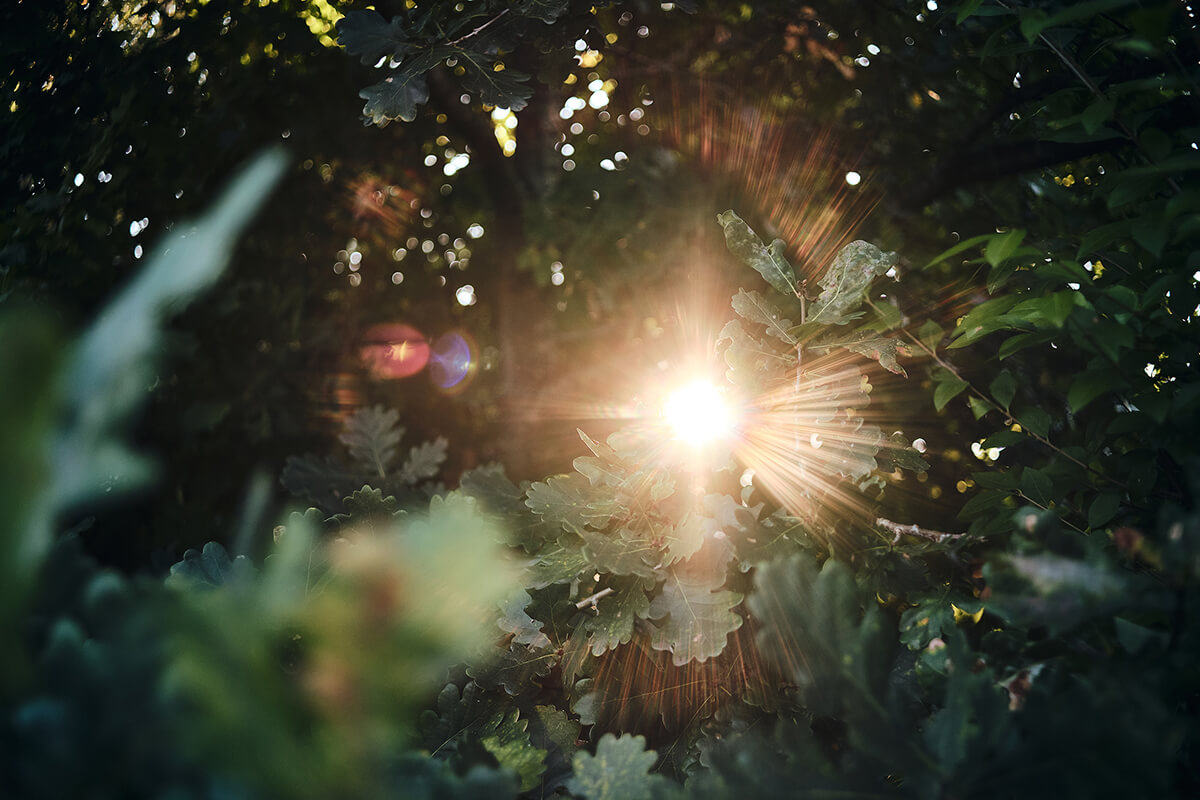
What makes this behaviour particularly noticeable is how sensitive the lens is to small changes in camera position. Moving the camera only a few millimetres can sometimes make a large flare disappear completely.
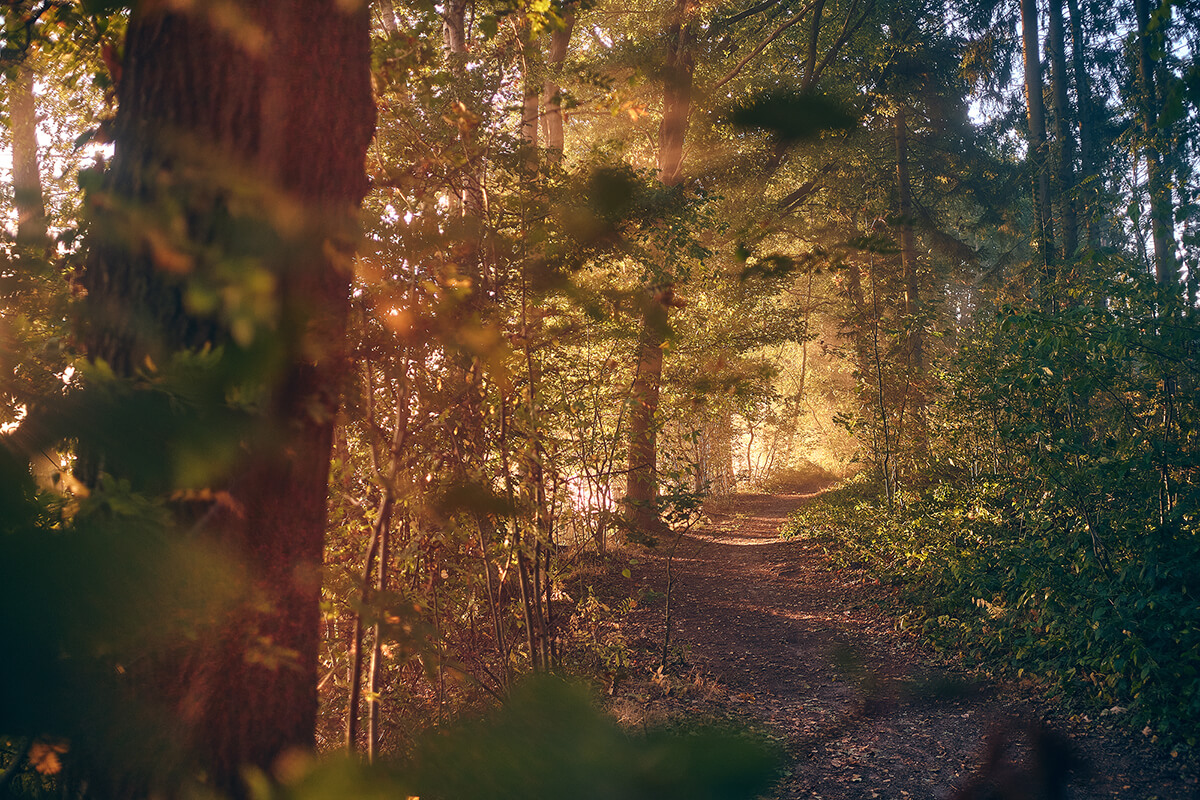
Slight flare covering almost the entire left half of the image
Moving the lens only a few millimetres away from the sun completely removes the flare
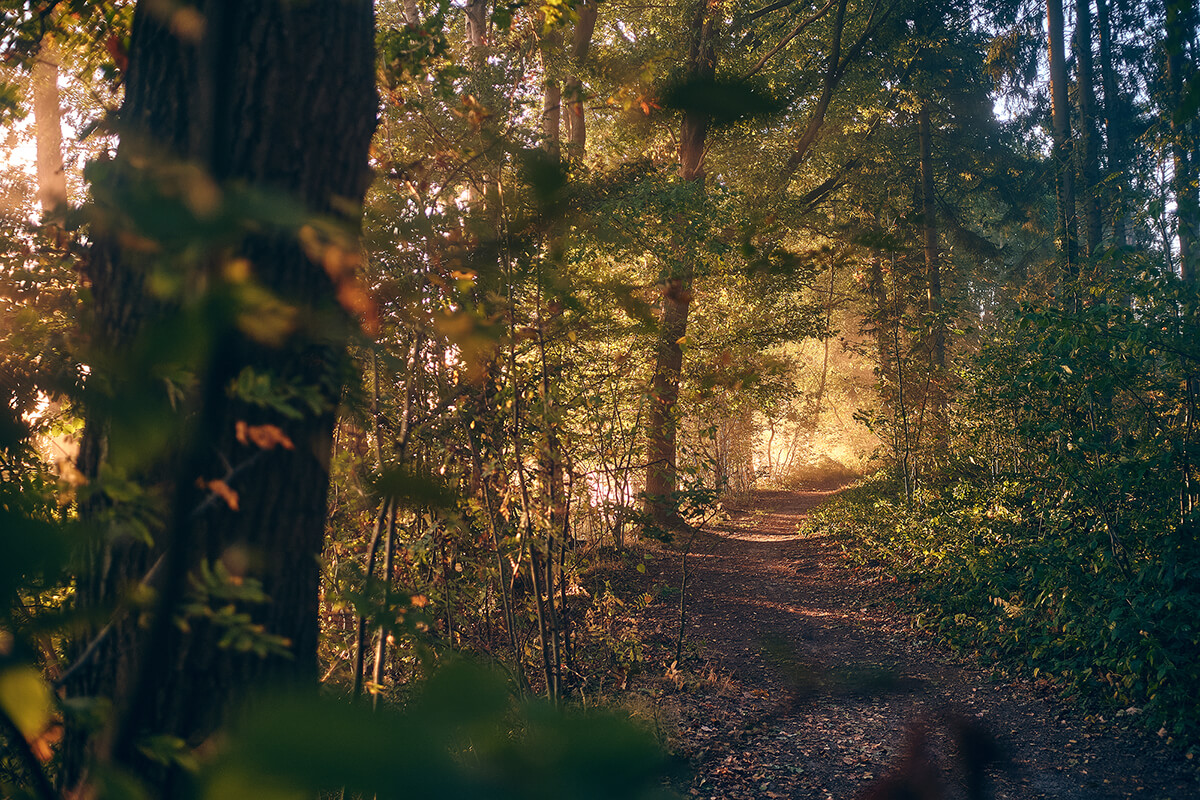
Once you understand how the lens reacts, you can often work around the problem by adjusting your composition slightly. But if you regularly shoot against the light, this is something you need to be aware of.
Bokeh, Vignetting and Rendering
Bokeh is surprisingly pleasant for a 23mm lens. At shorter focusing distances and F1.8, backgrounds can become nicely soft, which makes the lens useful for details as well as wider environmental images. Towards the edges, point highlights show a noticeable cat-eye effect and can develop a slight swirling character. Personally, I do not find that particularly distracting. It gives the lens a little more personality.
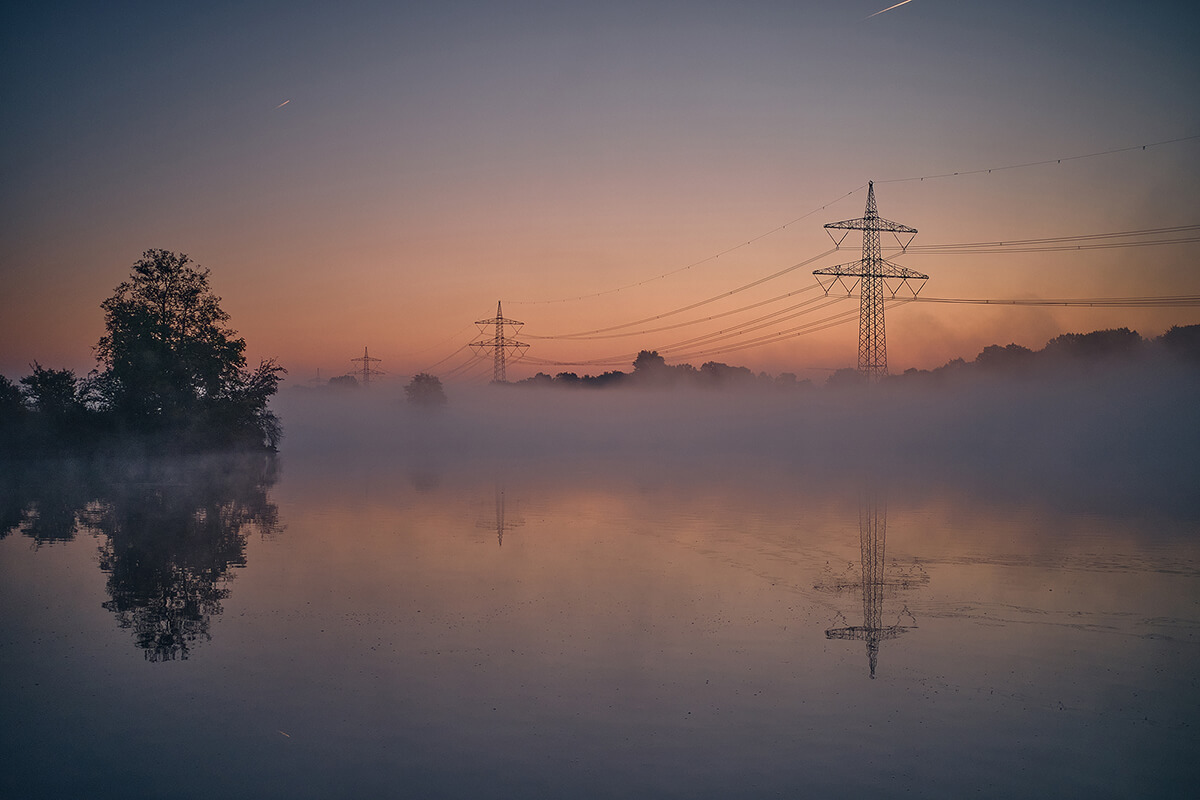
Vignetting is clearly visible wide open and only becomes much less pronounced when stopping down to around F6.3 or F7.1. That sounds fairly severe, but in practice it rarely bothered me. With closer subjects, the darker corners can even help draw attention towards the centre.
Vignetting at F1.8
Vignetting at F7.1
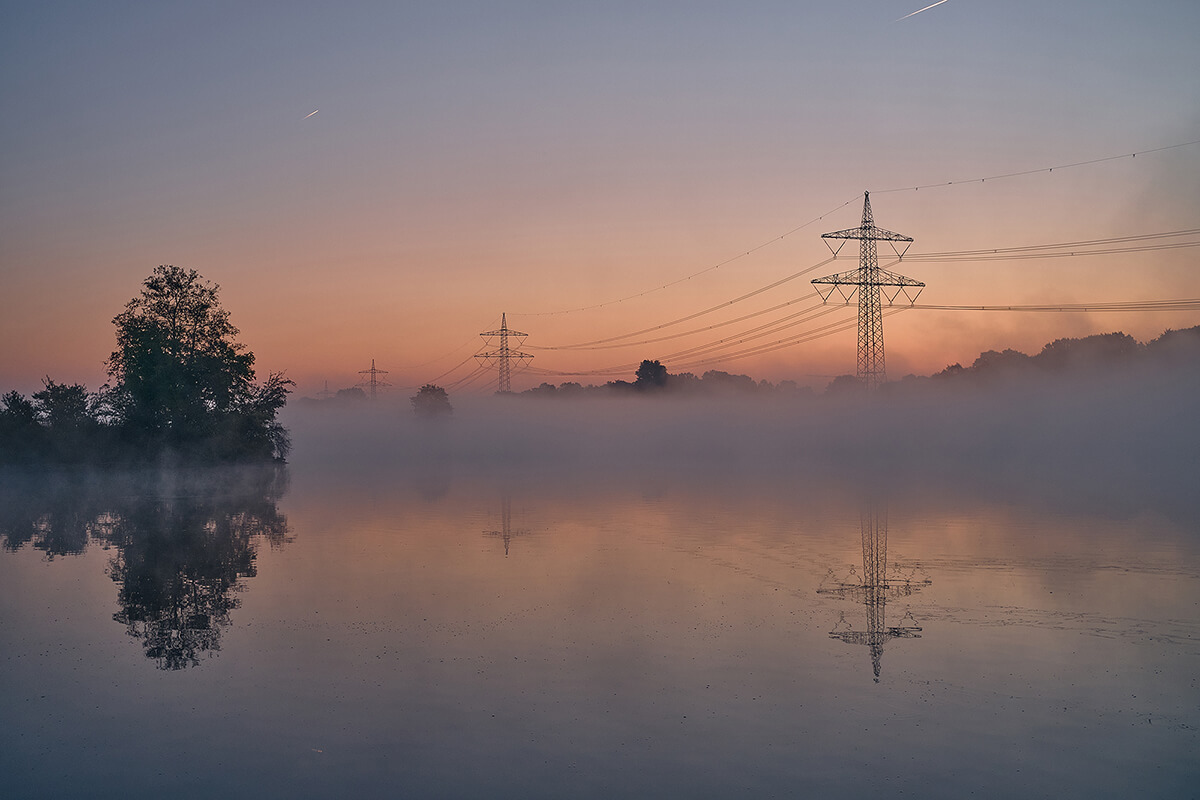
For me, the flare behaviour is a much bigger issue than the vignetting.
Autofocus: Better for Video Than Photography
Autofocus performance is a mixed bag. For photography, it usually works, but not always as consistently as I would like. Most images are focused correctly, but occasionally the focus lands just slightly away from the intended subject. In normal viewing, this is often difficult to notice, but it becomes more obvious when looking closely at the files.
Interestingly, I actually like the autofocus much more for video. Focus transitions are smooth, controlled and pleasantly calm. Combined with the small size and 23mm focal length, this makes the lens quite useful on a compact gimbal or for lightweight video setups.
In fact, I prefer some of the video footage I recorded with this lens to the still images. Even the aggressive flare behaviour can work better here, because what looks like an optical flaw in a photograph can sometimes become a deliberate visual effect in motion.

Conclusion: Not the Best TTArtisan AF Lens, but Still Useful
The TTArtisan 23mm F1.8 AF is not the highlight of TTArtisan’s autofocus series for me. Centre sharpness is decent and the bokeh can be surprisingly pleasant, but the weak corner performance, slightly inconsistent autofocus and especially the extreme flare behaviour are obvious compromises.
And yet, I kept mine.
The reason is simple: it is compact, light and uncomplicated. For spontaneous photos, walks or situations where I do not want to carry more expensive equipment, it still has value. It is also surprisingly capable for video, where the smooth autofocus and even some of the flare characteristics can become useful.
At around €169, I would not expect perfection. What you get instead is a small autofocus prime with some obvious flaws, but enough character and practical value to remain interesting.
TTArtisan 23mm F1.8 AF at Pergear:
https://www.pergear.com/products/ttartisan-af-23mm-f1-8?ref=K83KL
Affiliate link: If you purchase the lens through this link, I may receive a commission at no additional cost to you.