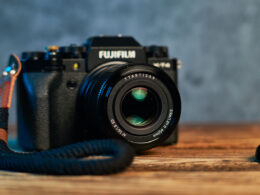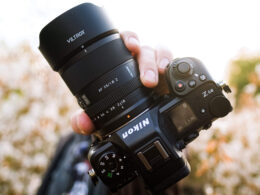


Which standard zoom is the best choice for Fujifilm X? I do not think there is one answer. The Sigma 18-50mm f/2.8 wins if you want to keep your kit small. The Tamron 17-70mm f/2.8 is the most versatile. And the Sigma 17-40mm f/1.8 stands out for its image quality, high-end features and an aperture usually associated with prime lenses.
I have used all three lenses in different real-world situations on Fujifilm cameras. This is not a controlled lab test with identical measurements. It is a practical comparison based on my detailed reviews and on what matters to me when I take photographs.
My quick verdict: I would pack the Sigma 18-50mm for a light travel kit. If I wanted one lens to cover as many situations as possible, I would choose the Tamron 17-70mm. If I usually prefer primes and care about a fast aperture, subject separation and hands-on controls, I would look at the Sigma 17-40mm.
The links to MPB in this article are affiliate links. If you buy through them, I may earn a commission at no extra cost to you.
Three third-party standard zooms for Fujifilm X compared
All three lenses are third-party options with a Fujifilm X mount. They cover similar everyday needs but have different strengths: the Tamron reaches furthest into telephoto, while the Sigma 17-40mm is exceptionally fast. Full-frame equivalents are included to make the fields of view easier to compare.
| Lens | Focal length on Fujifilm X | Full-frame equivalent | Maximum aperture | Weight | Optical stabilisation | Standout feature | My pick for |
|---|---|---|---|---|---|---|---|
| Sigma 18-50mm f/2.8 | 18-50mm | 27-75mm | Constant f/2.8 | 285g | No | 55mm filter thread; especially compact | Size and weight |
| Tamron 17-70mm f/2.8 | 17-70mm | 25.5-105mm | Constant f/2.8 | 530g | Yes, VC | 67mm filter thread; broadest range | Flexibility |
| Sigma 17-40mm f/1.8 Art | 17-40mm | 25.5-60mm | Constant f/1.8 | 530g | No | 67mm filter thread; aperture ring; weather sealing | Image quality and features |
Weights refer to the Fujifilm X versions. Full-frame equivalents are approximate. Lens stabilisation is not the same as in-body image stabilisation: the Tamron has its own VC system, while neither Sigma does. Fujifilm cameras with IBIS still provide stabilisation through the camera body.
Sigma 18-50mm f/2.8: best for travelling light
At 285g, the Sigma 18-50mm f/2.8 is easily the smallest and lightest lens here. That is what makes it so appealing to me. I used it on a Fujifilm X-T3 during a city trip in the Netherlands and appreciated being able to take a small bag instead of a large backpack.
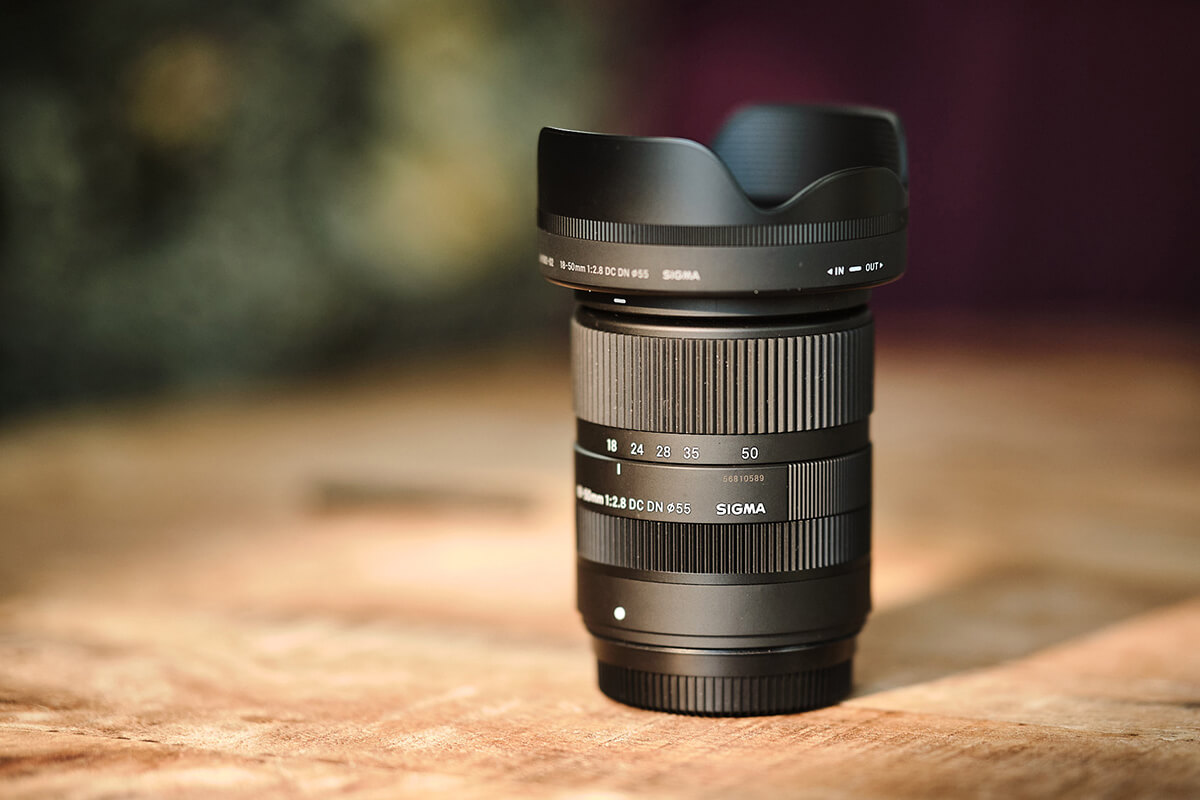
The constant f/2.8 aperture is a major advantage in such a small standard zoom. Autofocus did not let me down, and sharpness is convincing even wide open. You can also focus close: at 18mm, Sigma specifies a minimum focus distance of just 12.1cm.
The compromise is the focal range. A 27-75mm full-frame equivalent covers many travel, everyday and portrait situations, but the Tamron reaches much further. The Sigma also lacks optical stabilisation. That matters less on a Fujifilm body with IBIS, but it can be a real difference with an unstabilised camera.
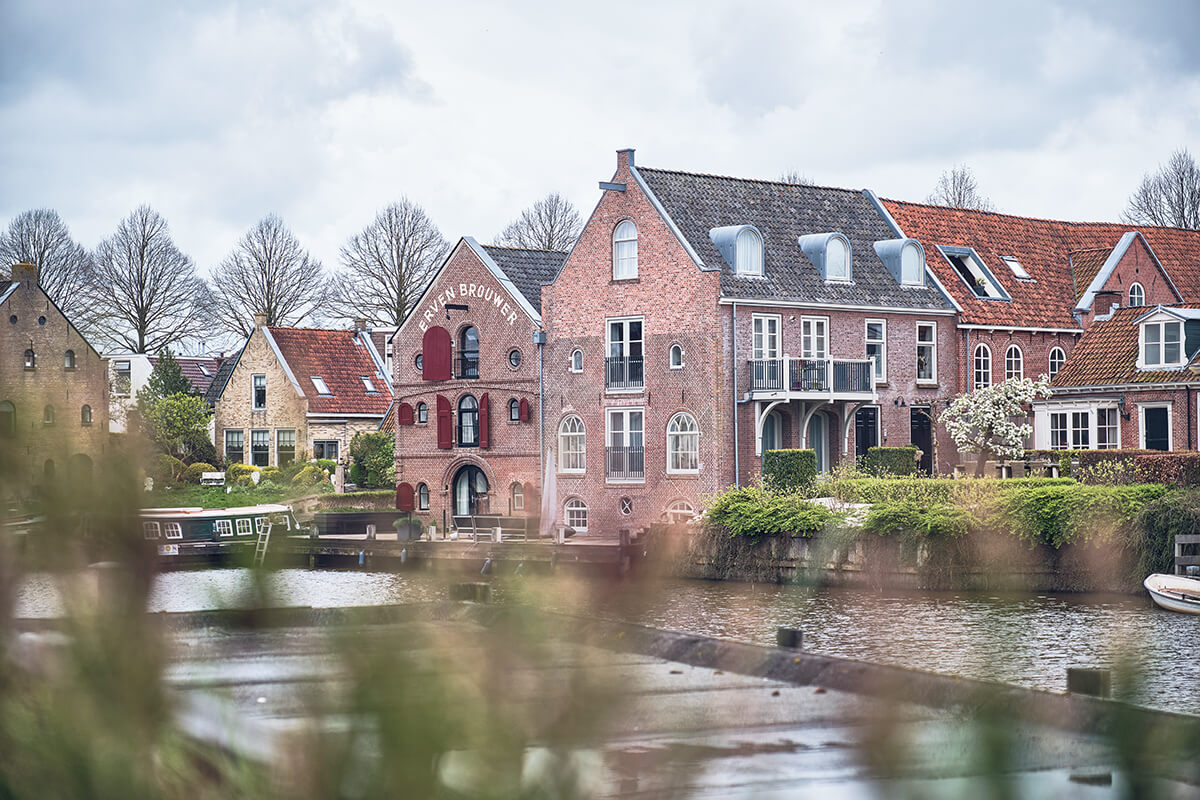
Read my full Sigma 18-50mm f/2.8 review.
Tamron 17-70mm f/2.8: the flexible all-rounder
The Tamron covers a much wider full-frame-equivalent range of 25.5-105mm. It also has built-in VC stabilisation. If I want to go out with just one lens, this is the most versatile option in the comparison.
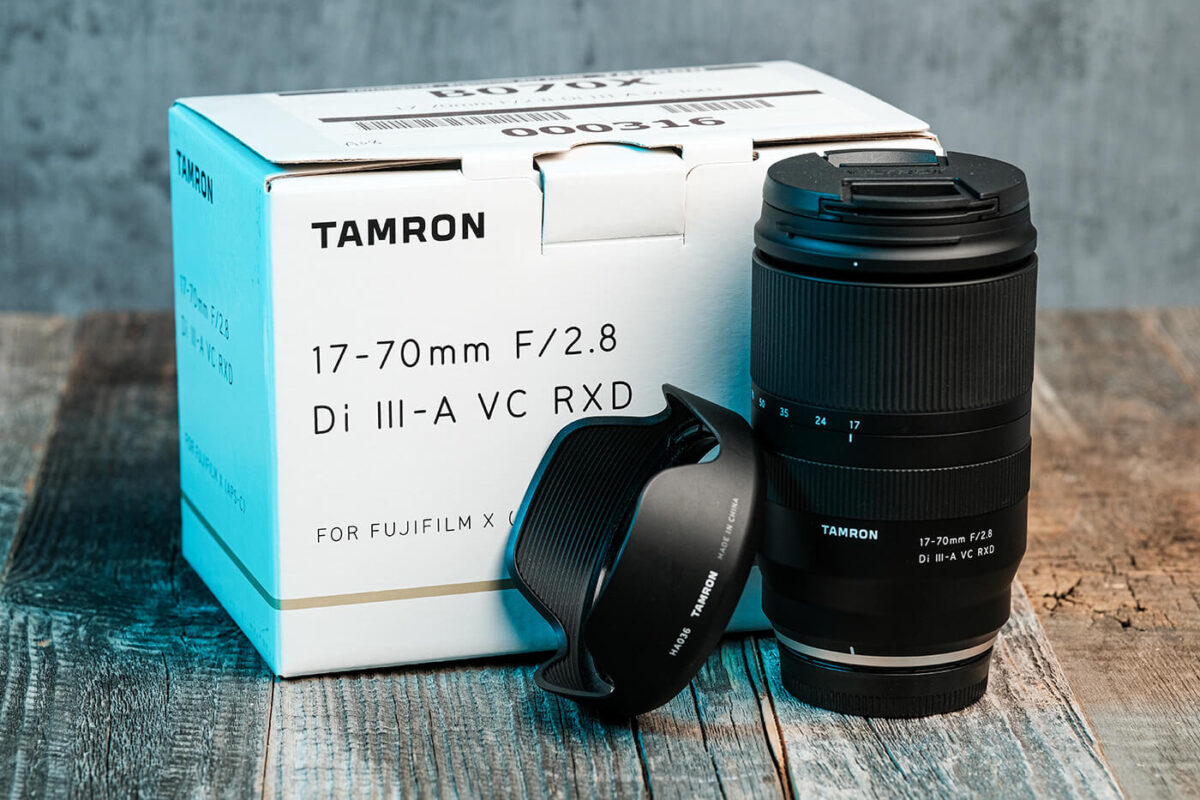
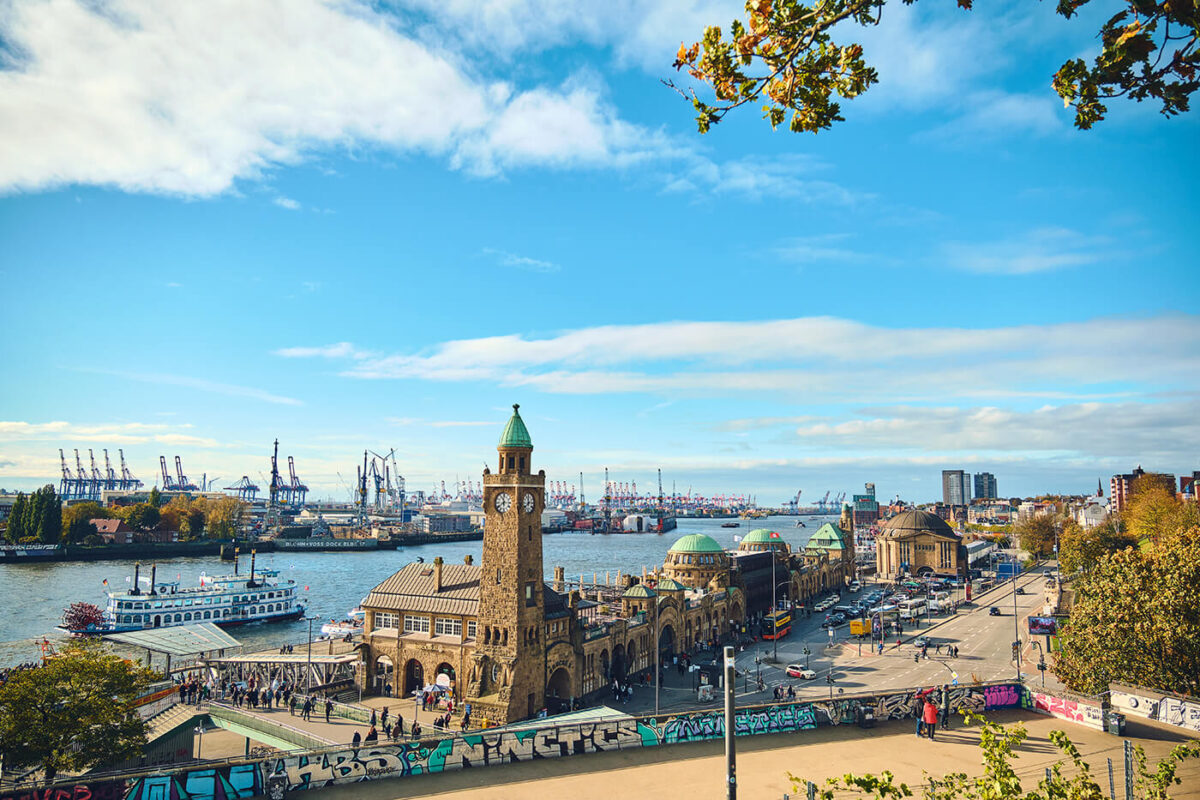
In my test, I particularly liked how easily I could move between wide-angle and telephoto perspectives. 17mm works for landscapes, architecture and interiors. At 70mm, I had more room for details and portraits. The constant f/2.8 aperture is available throughout the range.
At 530g, however, the Tamron is almost twice as heavy as the Sigma 18-50mm. It is not an especially heavy combination, but you will notice the difference if every gram in your bag counts. VC helps with static subjects at slower shutter speeds; it cannot freeze movement. For people, children or animals, you still need a fast enough shutter speed.
Read my full Tamron 17-70mm f/2.8 review.
Sigma 17-40mm f/1.8 Art: my pick for speed and subject separation
The Sigma 17-40mm f/1.8 Art is the most intriguing lens here. A constant f/1.8 aperture is unusual for a standard zoom. It lets me work in lower light and separate a subject from the background more than the two f/2.8 zooms.
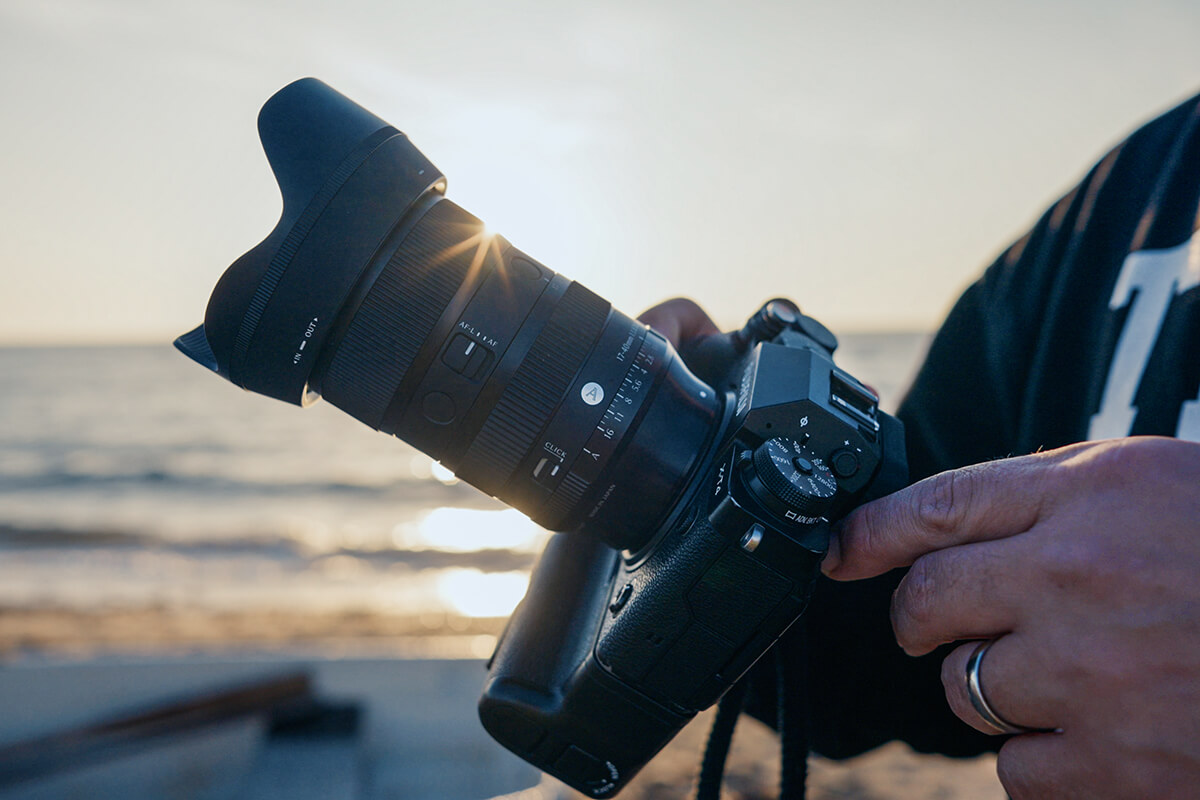
On my trip to Denmark’s Baltic coast and to Aarhus, this Sigma was often enough for landscapes, everyday scenes and portraits. Image quality already impressed me at f/1.8. The build and controls suit the way I like to photograph: the Fujifilm X version has an aperture ring, several switches and protection against dust and splashes.
The 25.5-60mm full-frame-equivalent range runs from wide angle to a normal field of view. That works well for landscapes, street photography, family photos and portraits at short to medium distances. I reach the limits sooner than with the Tamron when I need more telephoto reach. It also weighs 530g and has no optical stabilisation.
For me, this Sigma can replace several primes in many situations. It will not automatically replace every prime lens, but it comes much closer to their look and subject separation than a typical f/2.8 standard zoom. If you usually prefer primes, this may be the zoom that changes your mind.

Read my full Sigma 17-40mm f/1.8 Art review.
Which standard zoom would I buy for Fujifilm?
- For the lightest kit: the Sigma 18-50mm f/2.8. It is my choice when I want to travel compactly without giving up a bright aperture.
- For the broadest range: the Tamron 17-70mm f/2.8. It covers more situations and has its own optical stabiliser.
- For speed and a prime-like look: the Sigma 17-40mm f/1.8 Art. It is my favourite when image quality, an aperture ring and subject separation matter more than telephoto reach.
There is no single overall winner for me. I would take the Sigma 18-50mm if I wanted to travel light. If I needed one lens for as many situations as possible, I would choose the Tamron. And if I wanted to leave my primes at home as often as possible, the Sigma 17-40mm f/1.8 is the most exciting option.
For more detail, here are my three full reviews: Sigma 18-50mm f/2.8, Tamron 17-70mm f/2.8 and Sigma 17-40mm f/1.8 Art.
Specifications refer to the Fujifilm X versions. See Sigma and Tamron for manufacturer information.