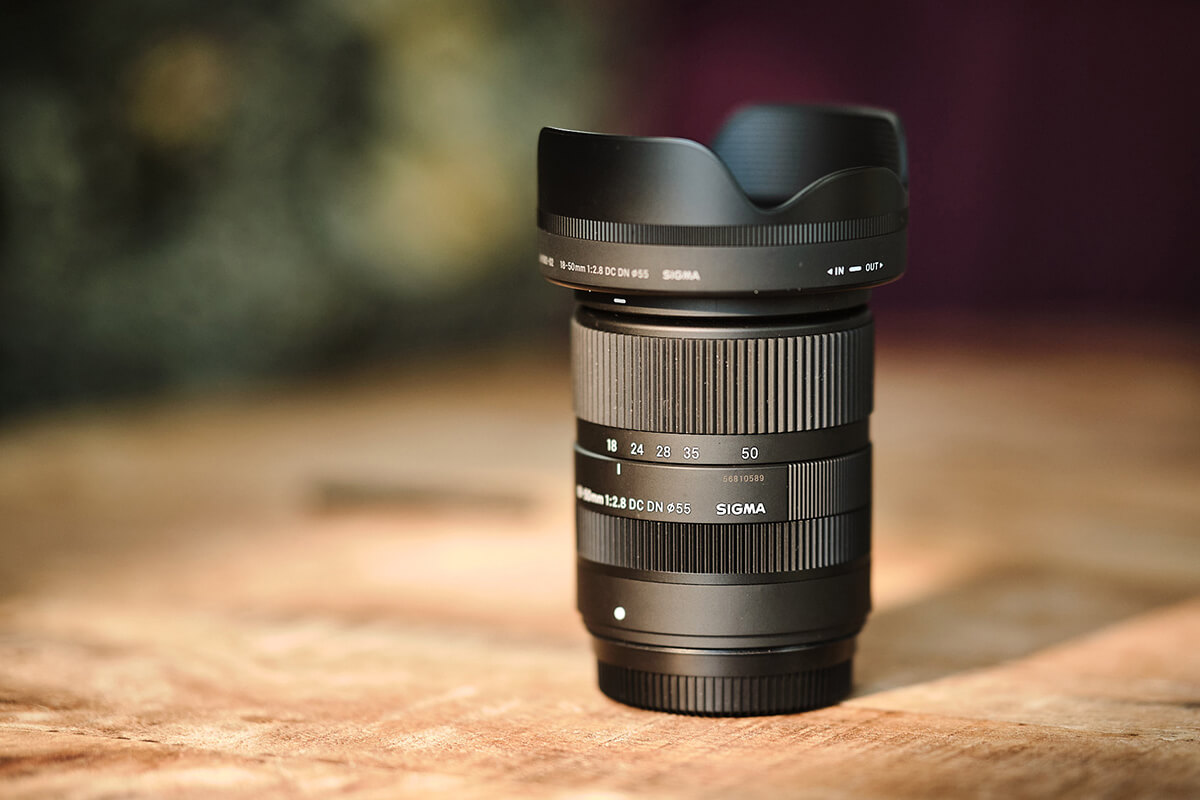




I was already impressed by the Sigma 18-50mm f/2.8 during a holiday in the Netherlands. A fast zoom makes a lot of sense for travel and city trips. So I was keen to try Tamron’s 17-70mm f/2.8: it offers a wider range than the Sigma and, crucially, built-in stabilisation. This test was made possible by the team at ValueTech. Thank you!
Build quality
I compare this lens with the Sigma quite often because they have a lot in common. Both are made mostly from high-quality polycarbonate—in other words, plastic. This is a far cry from the cheap plastic lenses of the past. The material keeps the Tamron relatively light for its size while still feeling robust and well made. It makes a good travel companion.
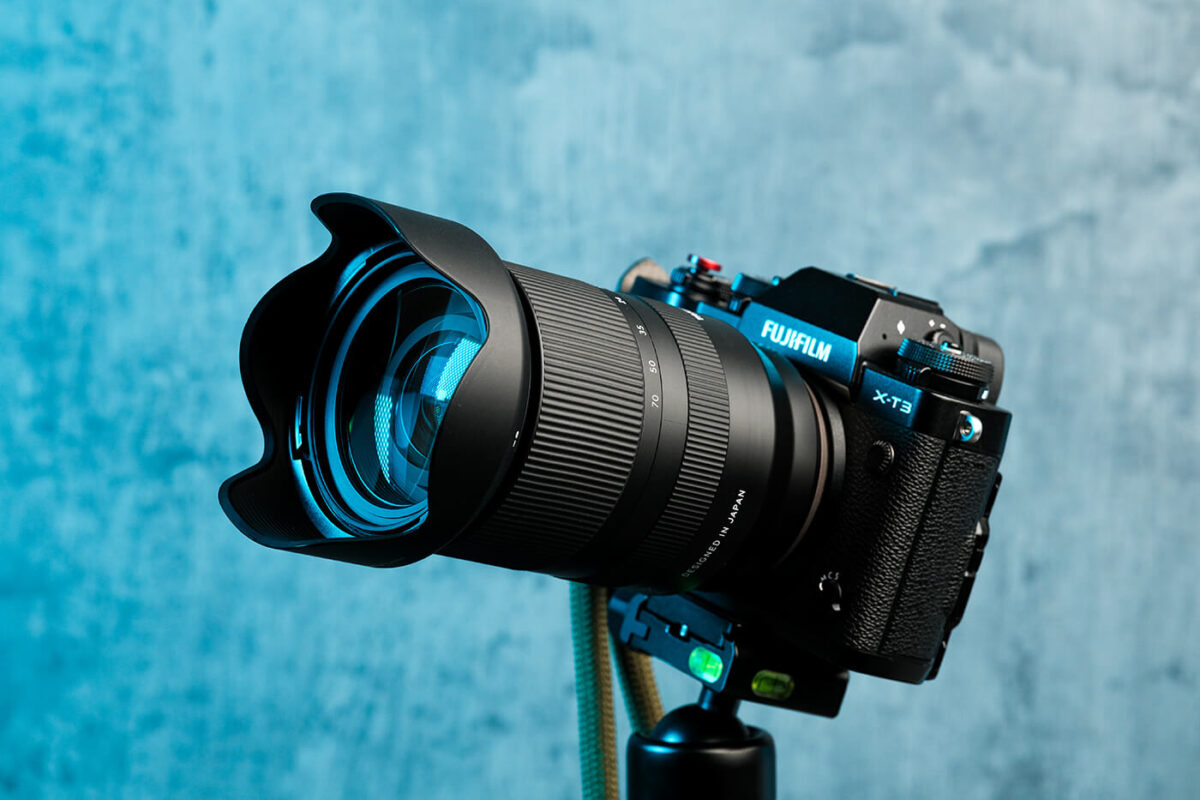
The focus and zoom rings are rubberised and grippy. I am not sure how the rubber will feel after 15 or 20 years, but the lens does not seem especially prone to fingerprints or scratches.
Features and handling
Along with a useful range from wide angle to short telephoto and a constant f/2.8 aperture, the lens has an optical stabiliser. That makes it useful not only outdoors, but also in churches, museums, restaurants and other dim places. I managed sharp photos at shutter speeds as slow as half a second at 70mm, which is impressive.
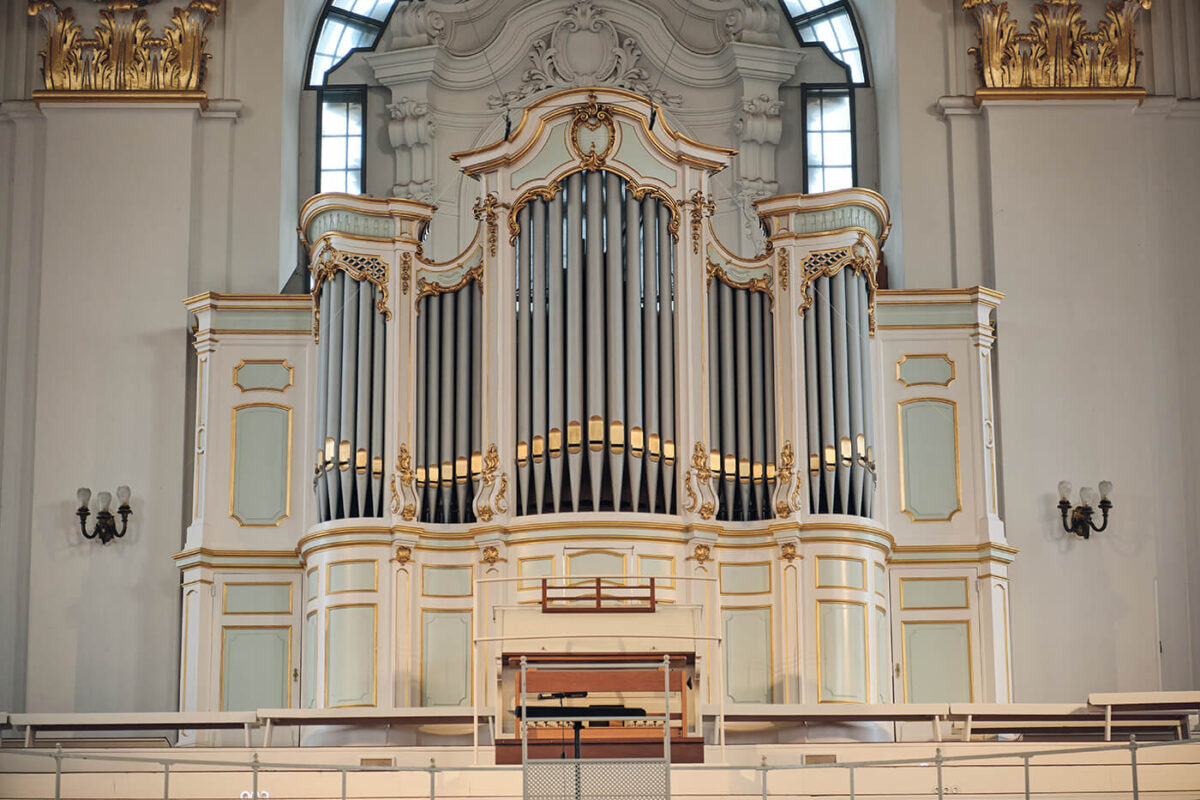
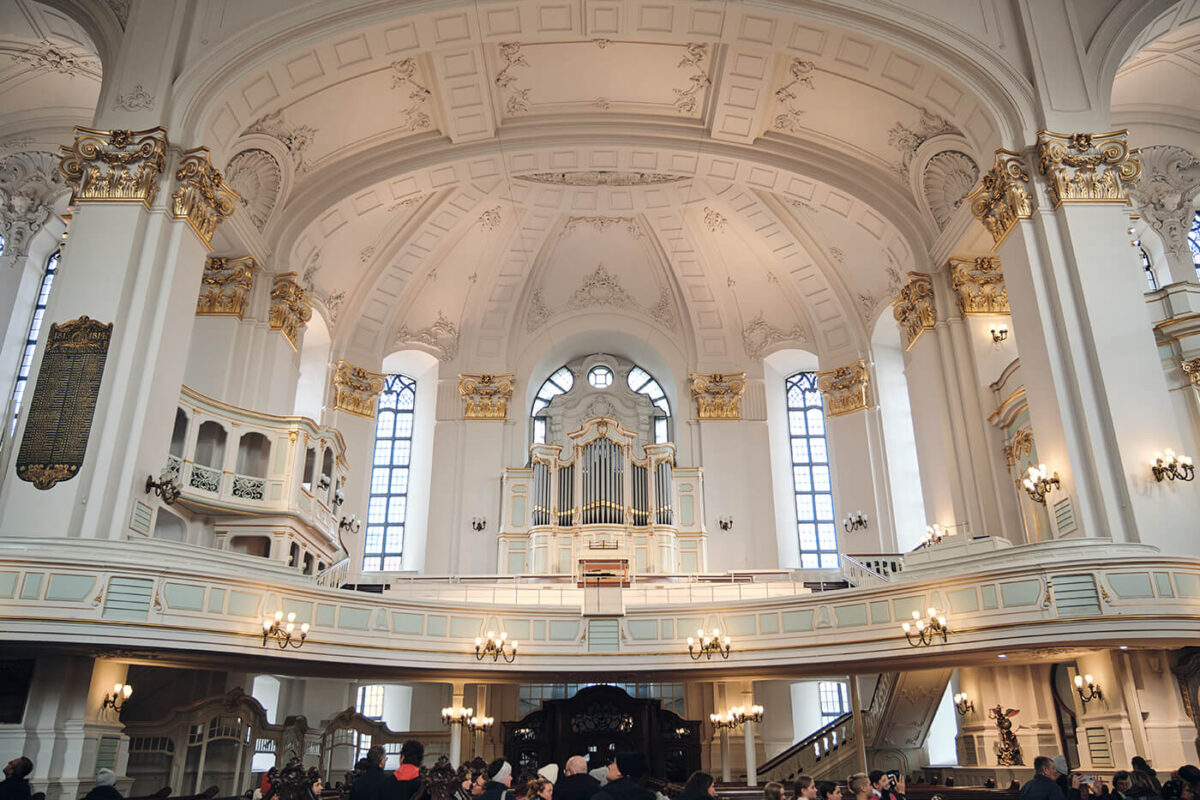
The lens is not fully zoom-stable: point it upwards at 70mm and the extended barrel slowly retracts. There is no zoom lock, nor a switch to disable stabilisation or autofocus. Autofocus is quick and quiet for stills. In video, it shifts smoothly from one subject to another, and the combination of AF and stabilisation works well for video.
The full name is 17-70mm F2.8 Di III-A VC RXD: Di III-A denotes its APS-C design, VC means Vibration Compensation, and RXD stands for Rapid eXtra-silent stepping Drive.
There is no “MR” (Moisture Resistant) designation. The mount has a rubber seal, but the zoom mechanism is not separately sealed. Update: Tamron later assured me that the lens is well protected against moisture and dust despite the missing MR label. So, yes, I would take it out on rainy days.

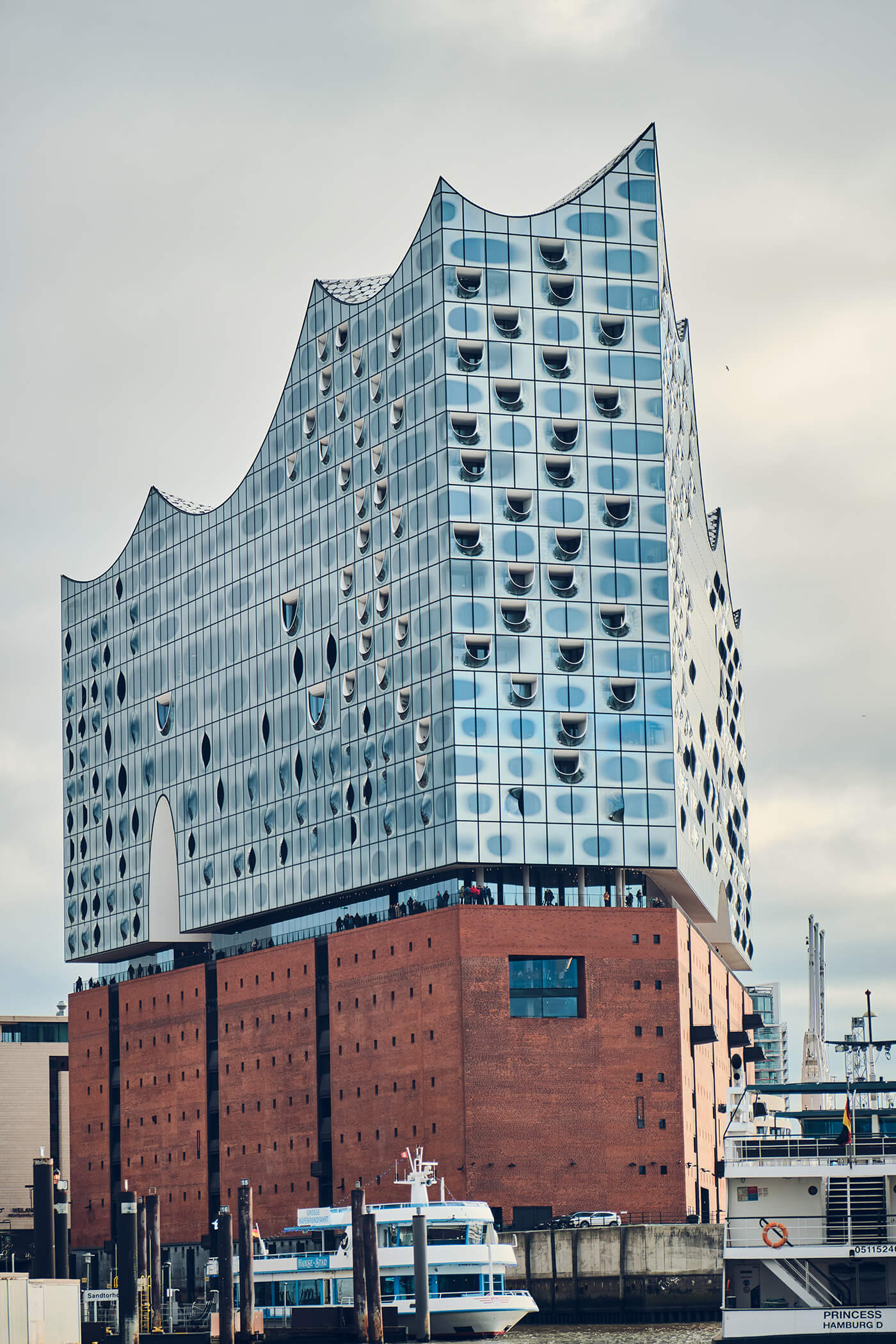
Image quality
The specification sounds almost too good: light, a broad zoom range, a bright constant aperture and stabilisation—and good image quality below €800? Yes. The vignetting is relatively mild, less noticeable than on the Sigma despite the Tamron starting wider. Sharpness is also fairly consistent across the frame, from the wide end to the telephoto end.


Chromatic aberrations are limited. I noticed them mainly at 17mm, wide open; at around 70mm they were barely visible. Colours are vivid, contrast is strong, and distortion is mild: a little barrel distortion at the wide end changes to slight pincushion distortion toward telephoto, but it rarely caught my eye. Sunstars are not this lens’s strength—the points look a little ragged rather than clean—but I saw very few ghosts or flare when shooting toward bright light.
Close focusing is good: 19cm at the wide end and 39cm at the telephoto end. Detail and close-up shots are easy, and the short focusing distances help create attractive background blur.

My verdict on the Tamron 17-70mm f/2.8
Want to take just one lens on a trip? If you need a capable zoom from wide angle to short telephoto, the Tamron is an easy one to recommend. Its constant f/2.8 aperture and stabilisation cover a lot of situations, from overcast days to dim interiors and night scenes, while image quality remains very good. For landscapes, street photography and travel, it offers plenty of range.
It is probably not long enough for sports, and for portraits I would still choose a prime with more background separation. Those may not be the main priorities on a trip, though. I am not usually a zoom person, but I seriously considered keeping this lens after the test. As a parent, carrying one all-purpose lens instead of three or four primes—and changing lenses less often—sounds very appealing.


Affiliate disclosure: The MPB link above is an affiliate link. If you buy through it, I may earn a commission at no extra cost to you. The lens was provided for this test by ValueTech.