


An F0.95 aperture sounds spectacular. Especially on a lens that costs just $199. My first reaction, however, was not unlimited excitement, but rather scepticism. I had already tried extremely fast manual lenses in the past where the maximum aperture technically existed, but was barely useful for actual photography. Low contrast, very little visible detail and heavy glow made the images look more washed out than atmospheric.
That is why I expected similar results from the BrightinStar 35mm F0.95. My first shots in direct backlight initially seemed to confirm those concerns. Massive flares, obvious colour fringing and very unpredictable behaviour when sunlight entered the lens did not exactly make for an easy start. After a few attempts, however, it became clear that this lens is capable of much more. Sharpness wide open is better than expected, the bokeh can be beautifully soft, and its optical imperfections can actually be used creatively.
So far, I have used the lens exclusively on my Fujifilm X-T4, mainly for nature photography. Most of my images were taken between F0.95 and F1.8. Portraits, street photography and night photography are still on my list. This article is therefore not a final laboratory test. It is my real-world impression after several photo walks with the lens.
Disclosure: The BrightinStar 35mm F0.95 was provided to me free of charge by the manufacturer. This did not influence my opinion. The following link is an affiliate link. If you purchase the lens through it, I receive a commission at no additional cost to you.
BrightinStar 35mm F0.95 for Fujifilm X:
https://brightinstar.com/collections/fuji-x-mount/products/35mm-f0-95-aps-c-night-god-portrait-star-manual-fixed-focus-lens-suitable-for-fuji-x-mount?variant=50389764407612&ref=flokugrafie
Beautiful, Heavy and Completely Manual
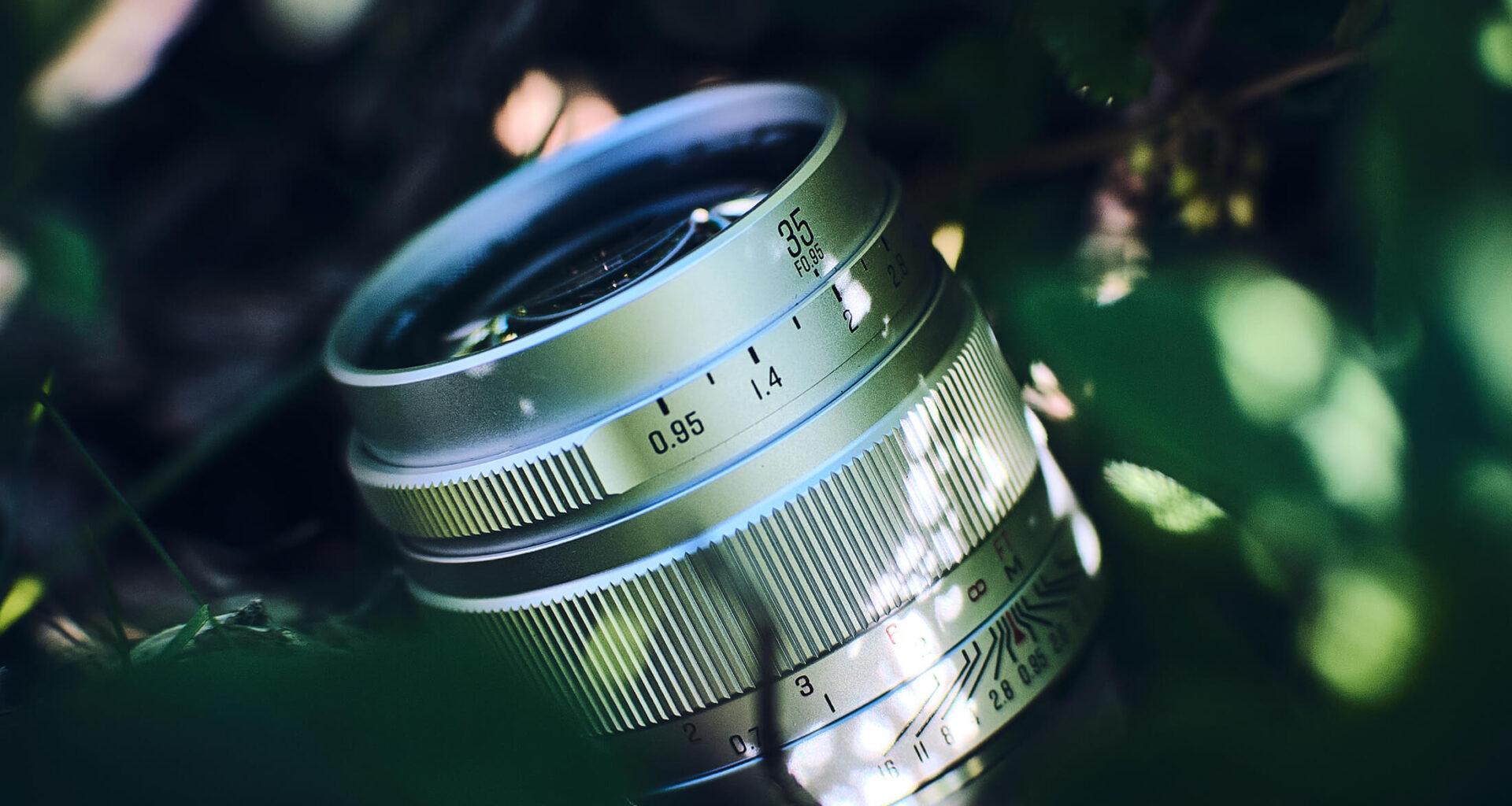
The BrightinStar 35mm F0.95 is one of the best-looking lenses I currently own. In silver, it matches my silver Fujifilm X-T4 exceptionally well. The combination almost looks as if the camera and lens had been designed together. Of course, that says nothing about image quality, but with a camera I actually enjoy carrying and using, design still matters to me.
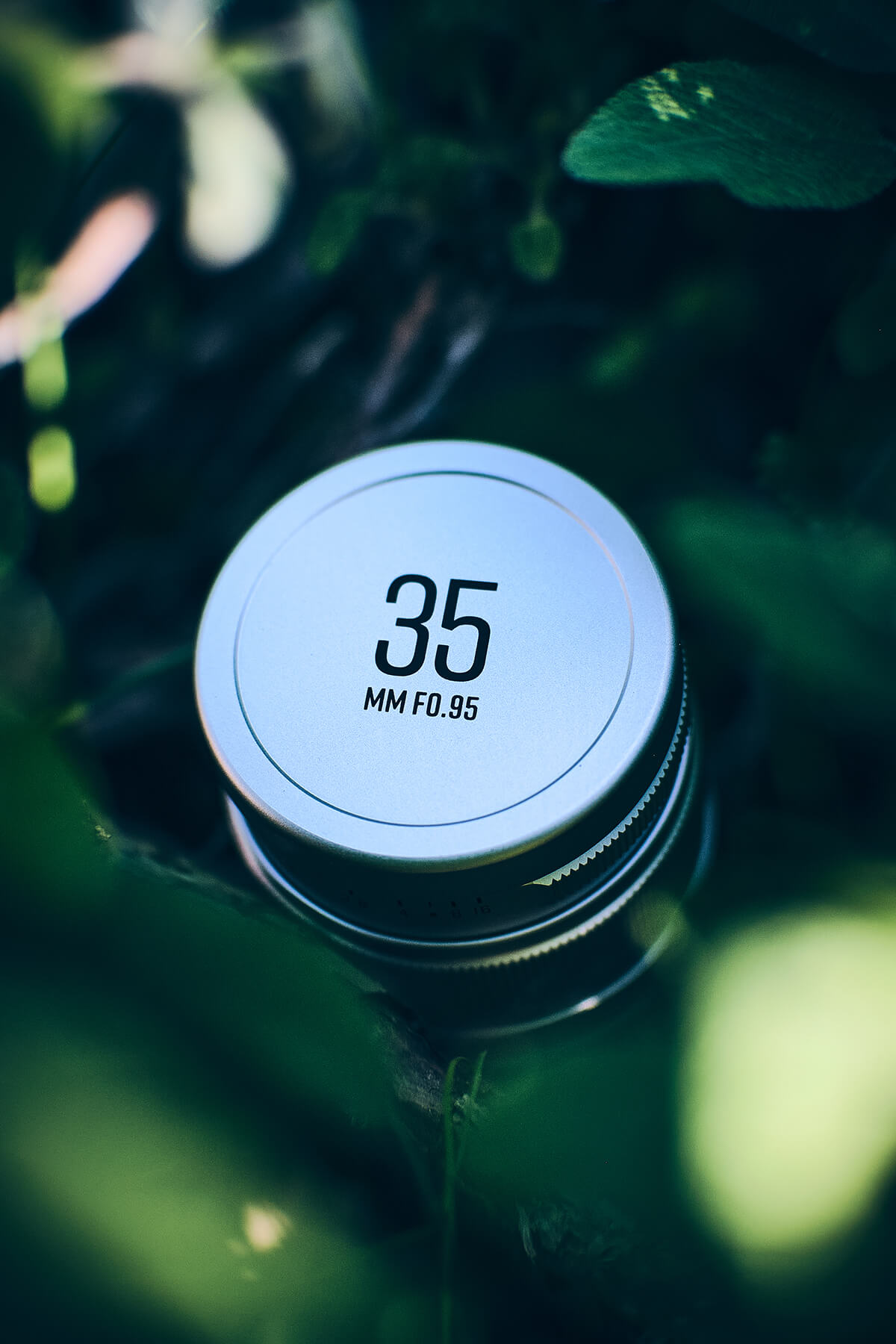
The lens barrel is made entirely from metal. As a result, it feels very substantial. It is fairly heavy for such a small manual prime lens, which some photographers will probably see as a disadvantage. Personally, I like the weight. It makes the lens feel solid and well made. Especially with small manual lenses, I prefer a slightly heavier metal construction over the lightest possible plastic design.
Mechanically, it also makes a good impression. The aperture ring is clicked and has exactly the right amount of resistance for my taste. I can adjust the aperture precisely without the ring feeling too loose or changing accidentally. At the same time, it is not so stiff that using it becomes uncomfortable.
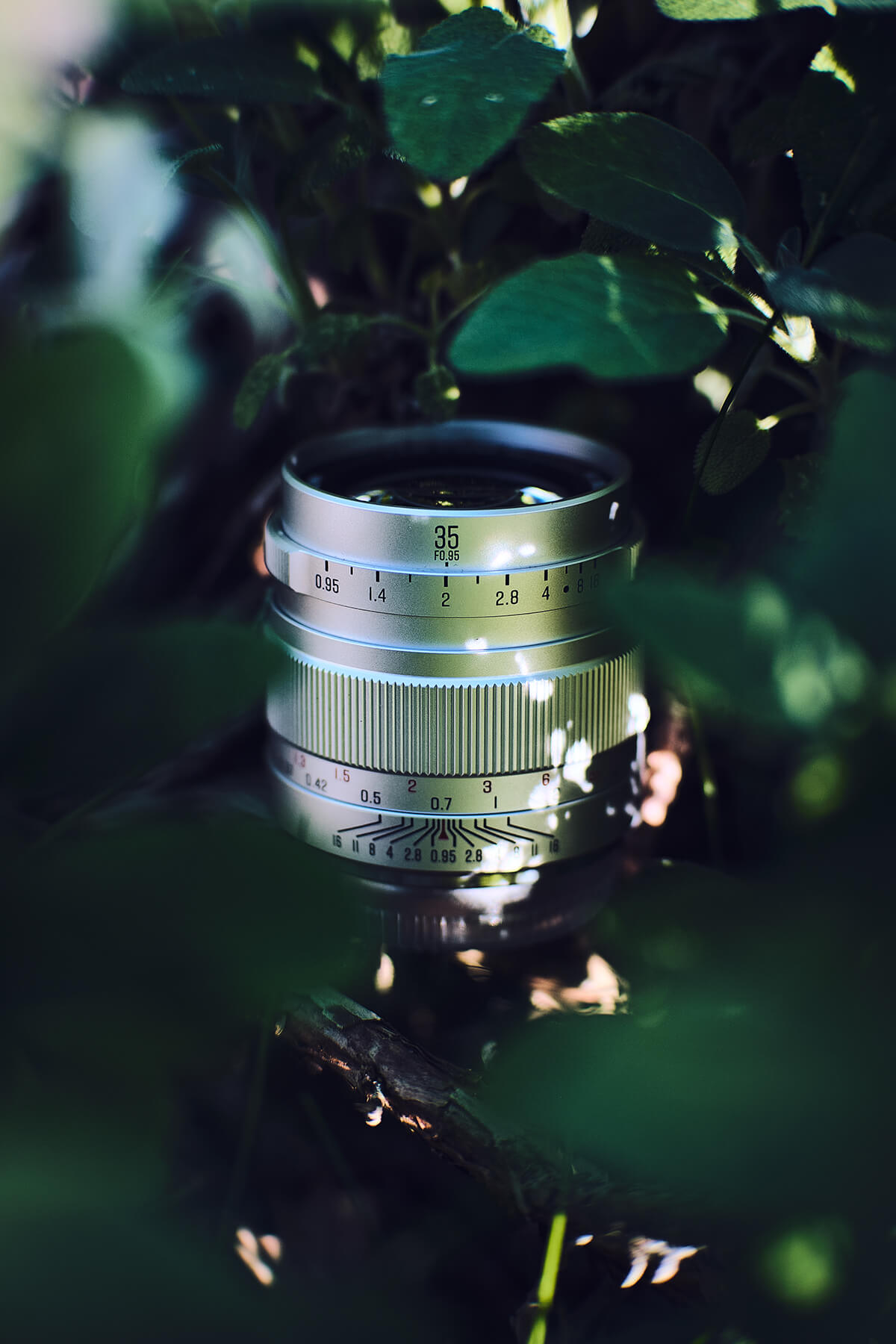
The focus ring is noticeably tighter than on many modern lenses, and I actually like that too. A very loose focus ring may feel convenient when focusing quickly, but it is not always particularly precise. With the BrightinStar, I have to turn the ring a little more deliberately, but that also allows me to move the focus plane in a very controlled way. I did not notice any play or obvious mechanical weaknesses on my copy.
One unusual detail is the lens cap. It is not just a regular black plastic cap, but instead follows the silver design of the lens. It also includes a transparent section through which you can already see part of the front element. There is no practical advantage to this, but it fits the lens’s surprisingly premium and well-considered overall appearance.
The lack of autofocus and electronic contacts does mean that both aperture and focus distance have to be set completely manually. The selected aperture is also not automatically stored in the EXIF data. If you want to use a lens like this on a Fujifilm camera, you also need to enable the option that allows shooting without a lens attached.
Manual Focusing at F0.95
Manual focusing itself is not particularly difficult. At F0.95, however, things become much more demanding. Especially at short shooting distances, depth of field is extremely shallow. Even a small movement of the camera can be enough to move the intended subject out of the focus plane again.
Focus peaking can provide a useful first indication. For really precise focusing on the X-T4, however, I prefer using focus magnification. This allows me to enlarge the relevant area significantly in the viewfinder or on the screen. With static nature subjects, I can get very reliable results this way. It takes a little longer than using an autofocus lens, but it works.
The biggest challenge is less the lens itself and more the combination of manual focusing and extremely shallow depth of field. When photographing a leaf or a flower, even a slight gust of wind can be enough to shift the subject out of focus. Your own movement matters too. Wide open, simply moving your upper body a tiny bit forward or backward can already make a visible difference.
The fairly stiff focus ring helps me here. Because it does not move too freely, I can make small corrections more precisely. For quick snapshots or moving subjects, the BrightinStar is still not the most convenient choice. For static subjects, deliberate compositions and slower photography, however, the handling suits the lens very well.
At longer focusing distances, F0.95 becomes easier to use. Depth of field is no longer quite as extremely shallow as it is at close range. That is one reason why I could imagine this lens working very well for low-light street photography. Thanks to the large aperture, I would not have to push the ISO as high while still maintaining usable shutter speeds. I have not tested this use case extensively yet, though.
Sharpness, Bokeh and the Wide-Open Look of the BrightinStar 35mm F0.95
The crucial question is obviously whether the BrightinStar produces usable images at F0.95 at all. My expectations were honestly fairly low. I expected considerably more softness and mushy detail.
Of course, the lens is not perfect wide open. If you examine images at 300 percent looking for maximum fine detail, you will find weaknesses. Sharpness at F0.95 is lower than when the lens is stopped down slightly, contrast is reduced, and fine details can look softer because of a slight glow. Even so, there is a clearly defined plane of focus. The focused area contains enough detail for the images to look convincing at normal viewing sizes.
For me, that is the important part. F0.95 is not just a number printed on the aperture ring. You can actually use the lens wide open for real photography. I do not automatically have to stop down to F2 just to get a usable image.

Stopping down slightly still helps considerably. Between roughly F1.4 and F1.8, sharpness and contrast increase noticeably. The soft glow becomes less pronounced and fine structures become clearer. At the same time, subject separation remains strong enough to clearly isolate subjects from the background. For me, this range is probably the best compromise if I want to preserve the lens’s distinctive rendering while achieving slightly more controlled results.
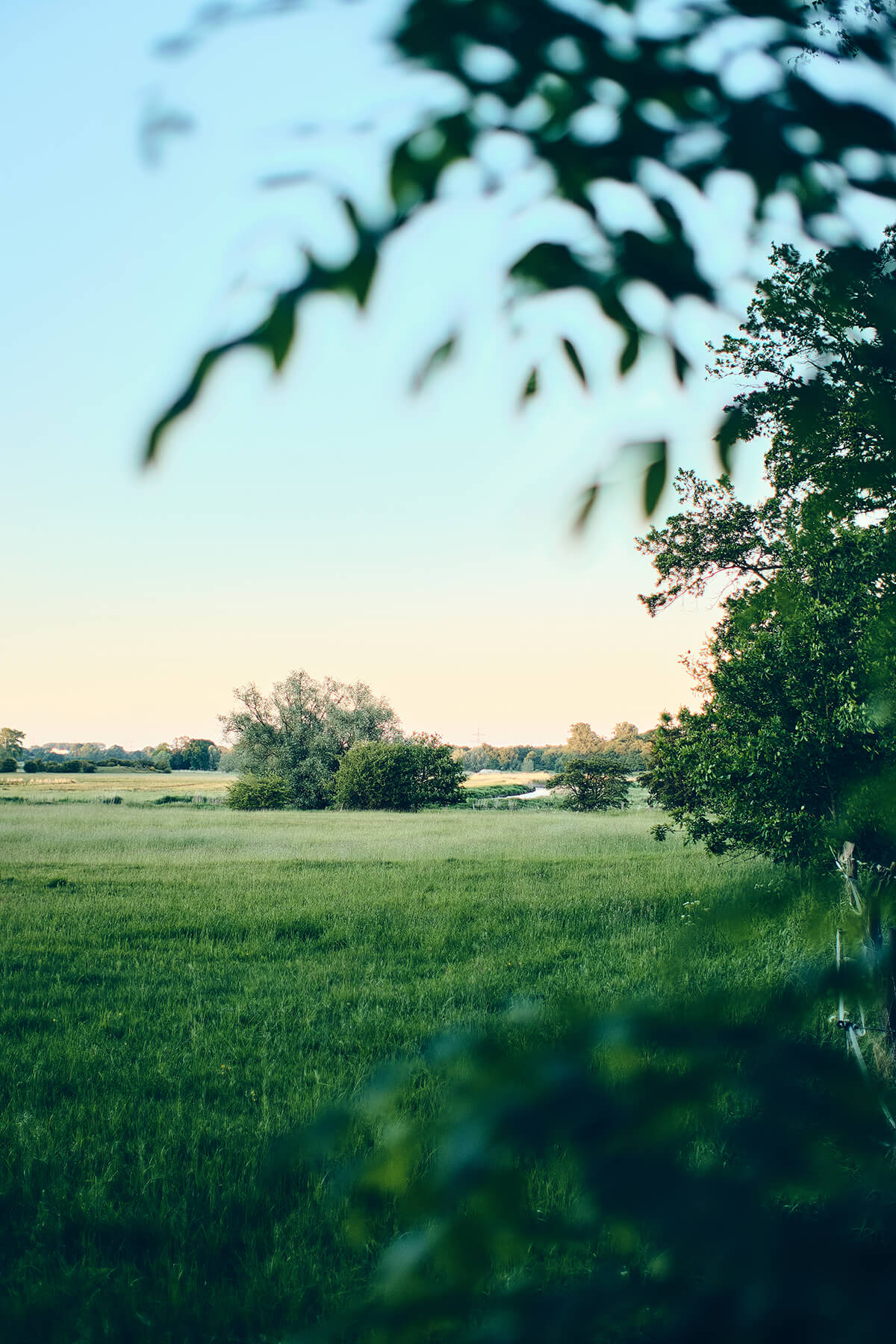
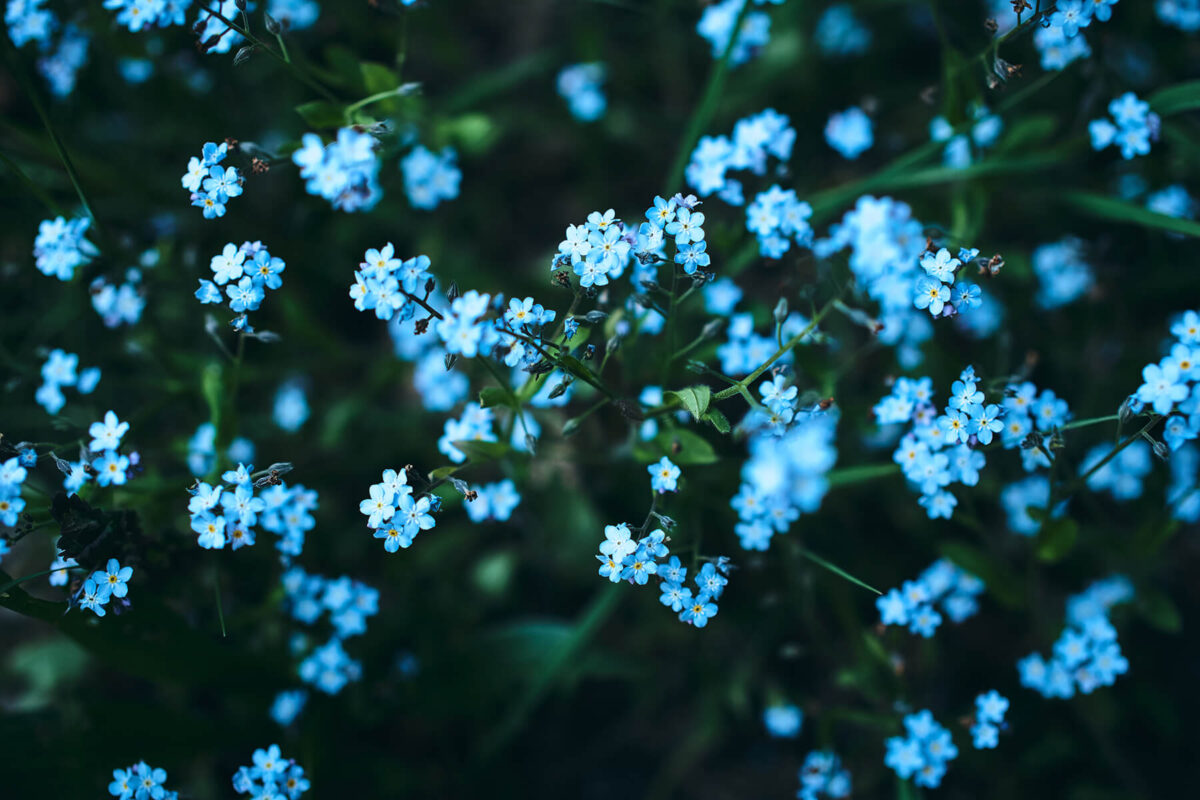
Its biggest strength, however, is the bokeh. At short shooting distances, backgrounds dissolve into extremely soft areas of colour. Small light sources turn into large bokeh circles, while leaves or grass in the foreground can appear almost translucent. I particularly liked this effect in my forest images. I wanted to create a dark, green-blue and slightly painterly look, and this lens works exceptionally well for that.
The bokeh is not always technically neutral. Towards the edges of the frame, bokeh circles can change shape and occasionally look slightly busier. For my taste, however, this fits the character of the lens. The BrightinStar does not try to render backgrounds as clinically clean and unobtrusive as possible. It creates a clearly visible look of its own.

The unedited files also have relatively low contrast. I do not necessarily see that as a problem. I prefer adding contrast and structure selectively during post-processing. That gives me more control over how hard or soft the final image should look. At the same time, darker tones remain slightly more restrained and can be adjusted easily to suit the style I want.
The before-and-after examples show quite clearly how much you can do with the files. The unedited photographs initially look relatively flat and neutral. After adjusting contrast, colour and local areas, I can turn them into the much darker and cooler forest look I wanted for these images.
Flares and Optical Imperfections Are Part of the Package
The BrightinStar does not hold back when shooting into the light. As soon as the sun enters the lens directly, you can get strong reflections, arcs of light and sometimes large areas of veiling flare. Contrast can drop significantly. There are also clearly visible chromatic aberrations along high-contrast edges.

My first backlit shots looked accordingly chaotic. The flares were large, obvious and not always positioned in a useful part of the frame. Some images looked more broken than creative. Especially wide open, green and magenta colour fringing can become clearly visible.
After a few attempts, I became better at predicting these effects. Even small changes in camera angle can dramatically change the position and shape of the reflections. This means you can sometimes deliberately integrate the flares into the composition. When they appear in the right place, they can make an image more interesting and emphasise the already unusual rendering of the lens.

The lens therefore forces me to work more deliberately. With a modern, heavily coated lens, I can often simply shoot directly towards the sun and still get a relatively clean result. With the BrightinStar, I have to pay much closer attention to the way light hits the front element. Sometimes a tiny movement is enough to turn an annoying reflection into an interesting visual effect.
Anyone looking for the cleanest, most neutral and technically corrected images possible will probably not enjoy this behaviour very much. Flares and colour fringing are clearly part of the package with this lens. Stopping down helps reduce them, but they do not disappear completely.
That bothers me less because I do not see the lens as a universal standard prime. I reach for it when I deliberately want to create a certain look. With some subjects, it works extremely well. With others, I would rather use a more modern, better-corrected lens.
Why Affordable Manual Lenses Are Becoming More Interesting
The BrightinStar reinforces an impression I have already had with several inexpensive manual prime lenses: the quality of these lenses keeps improving. Affordable no longer automatically means that a lens has to be unusable wide open.
Of course, you lose features that are standard on modern autofocus lenses. There is no autofocus, no electronic communication with the camera and usually no elaborate weather sealing. In return, you can get unusually fast apertures at prices that would be almost unimaginable from more established manufacturers.
For me, lenses like these are also a great way to experiment with a focal length or a certain type of rendering. I do not automatically want to spend several hundred or even more than €1,000 just to find out whether I actually enjoy using a particular focal length. With an affordable manual prime lens, I can first test which subjects work well, whether I like the way it renders and whether this slower style of photography suits me.
With the BrightinStar, however, it is not only about having an inexpensive entry point. The lens is good enough to keep using long term. The maximum aperture is genuinely usable, image quality improves significantly when stopped down slightly, and the bokeh has a very distinctive character of its own.
At 35mm on an APS-C camera, the field of view is roughly equivalent to a classic normal lens on full frame. That makes the lens fairly versatile. Nature details work just as well as wider environmental shots. Portraits and street photography should also suit the focal length very well, although I still need to test those applications more thoroughly.
For $199, you are therefore getting more than just an experiment with an extreme aperture number. You get a well-built lens that encourages deliberate photography and can produce images that do not look like they were taken with just another ordinary standard prime.
Conclusion: More Than Just a Spectacular Aperture Number
The BrightinStar 35mm F0.95 surprised me in a positive way. I expected F0.95 to be impressive mainly on the specification sheet, but not particularly useful in practice because of poor sharpness and excessive glow. Instead, the lens is genuinely usable wide open. The focused area contains enough detail, the bokeh is exceptionally soft, and the strong subject separation opens up a lot of creative possibilities.
The lens is not perfect. Its backlight performance can be extreme, chromatic aberrations are clearly visible, and manually focusing at F0.95 requires patience. The weight will not appeal to everyone either.
For me, however, these characteristics are part of the lens’s personality. I do not use it when I need the most neutral and technically perfect results possible. I use it when I deliberately want to work with soft transitions, bokeh circles, flares and extremely shallow depth of field.
On top of that, the build quality is very good. The metal construction, nicely clicked aperture ring and firm focus ring make the lens feel significantly more expensive than its price would suggest. The silver version also looks excellent on my Fujifilm X-T4.
For $199, the BrightinStar 35mm F0.95 is therefore much more than just an inexpensive lens to experiment with. It is a characterful manual prime that does not make every subject easier to photograph, but can make certain images possible in the first place.
BrightinStar 35mm F0.95 for Fujifilm X:
https://brightinstar.com/collections/fuji-x-mount/products/35mm-f0-95-aps-c-night-god-portrait-star-manual-fixed-focus-lens-suitable-for-fuji-x-mount?variant=50389764407612&ref=flokugrafie