


A 50mm F1.8 full-frame lens with autofocus for around $99. That already sounds almost too cheap to be any good. And when I first picked up the TTArtisan 50mm F1.8 NEO, my skepticism did not exactly disappear.
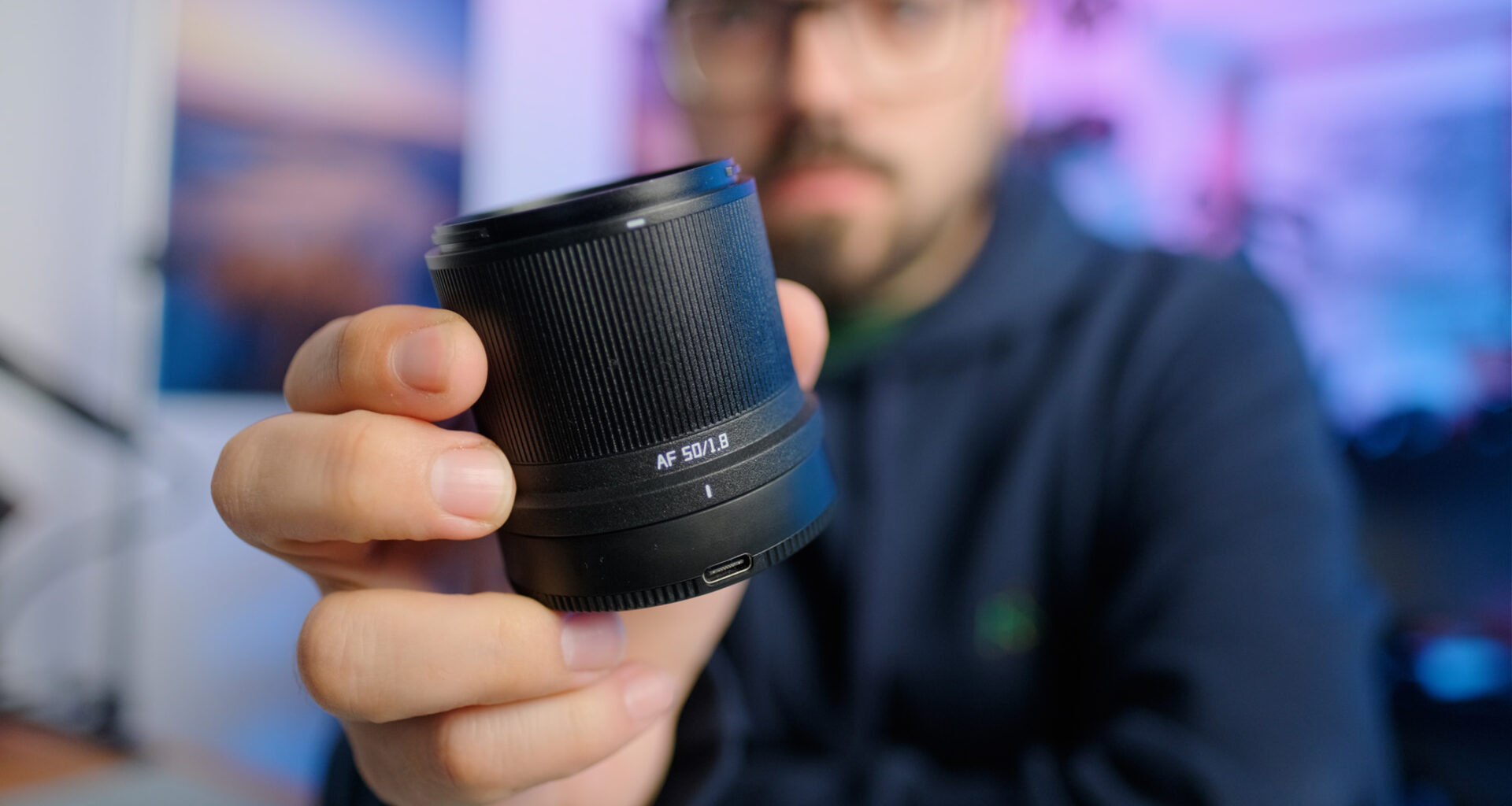
No aperture ring. No AF/MF switch. No function button. And then I noticed something even stranger: there isn’t even a focus ring.
TTArtisan has basically reduced this lens to the absolute minimum. Turn on the camera, let autofocus do its job and take the picture. That’s pretty much it.
For someone like me, who enjoys manual lenses, likes changing settings and appreciates having physical controls on a lens, this felt almost like a culture shock. What surprised me even more was how well this extremely simple concept actually worked in real-world use.
TTArtisan 50mm F1.8 NEO at Pergear:
Sony E at Pergear*
Nikon Z at Pergear*
L-Mount at Pergear*
*Affiliate links: I earn a commission if you purchase through these links, at no extra cost to you.
Where Did TTArtisan Cut Costs?
With a full-frame autofocus lens costing around $99, something obviously has to give. With the TTArtisan 50mm F1.8 NEO, it becomes pretty obvious where the savings were made.
The body is mostly made from plastic and TTArtisan has removed almost every external control you would normally expect. There is no aperture ring, no switch and no custom button. Even the large ribbed section that looks like a focus ring does not turn. If you want to focus manually, this is simply not the lens for you.
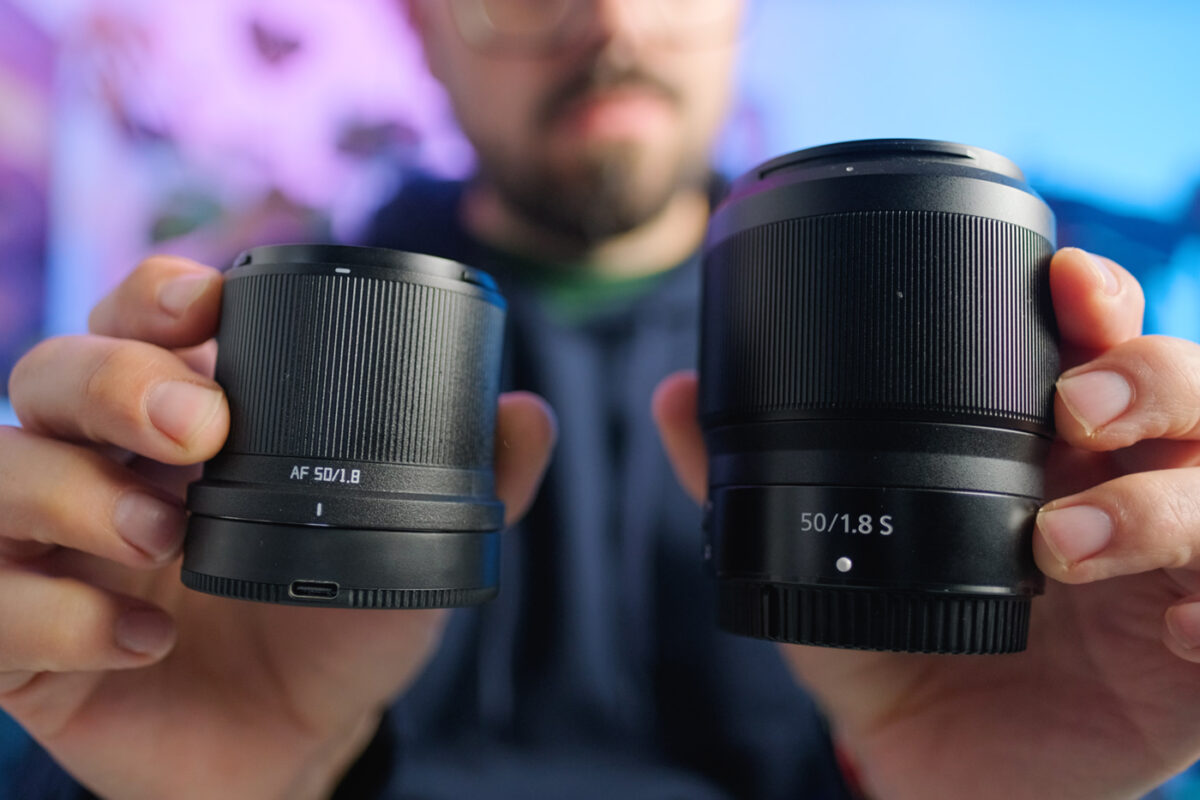
It sounds pretty radical, but there is an upside. The lens is very compact and lightweight. Put it next to something like the Nikon Z 50mm F1.8 S and the difference is huge.
Of course, those are two completely different lenses with very different ambitions. The Nikon costs several times as much and is designed to deliver much higher optical performance. But the TTArtisan does show just how small a simple 50mm F1.8 for Nikon Z can be.
And Somehow, I Didn’t Miss Anything
For my first proper test, I took the lens with me on a family trip. And this was the point where my opinion started to change.
I wasn’t going out specifically to create amazing photographs. I simply wanted to document the day, switch the camera on every now and then, take a few photos and continue with whatever we were doing.

And for exactly that kind of photography, the TTArtisan worked surprisingly well.
Turn the camera on, point it at the subject, let autofocus handle the rest, take the shot. Done.
Suddenly, I didn’t care that there was no aperture ring, no AF switch and not even a focus ring. I wouldn’t have used any of them anyway.
In some ways, it almost feels a little like using a smartphone. You stop thinking about the lens and just take the picture.
Whether that is something you enjoy is another question. For the way I normally like to photograph, it would probably be too limiting in the long run. But as a small lens to carry when photography is not actually the main reason for going out, the concept suddenly makes a lot more sense.
Image Quality: Better Than I Expected
Back home, I looked at the files on a proper screen. This was the part where I expected the biggest disappointment.
That didn’t really happen.
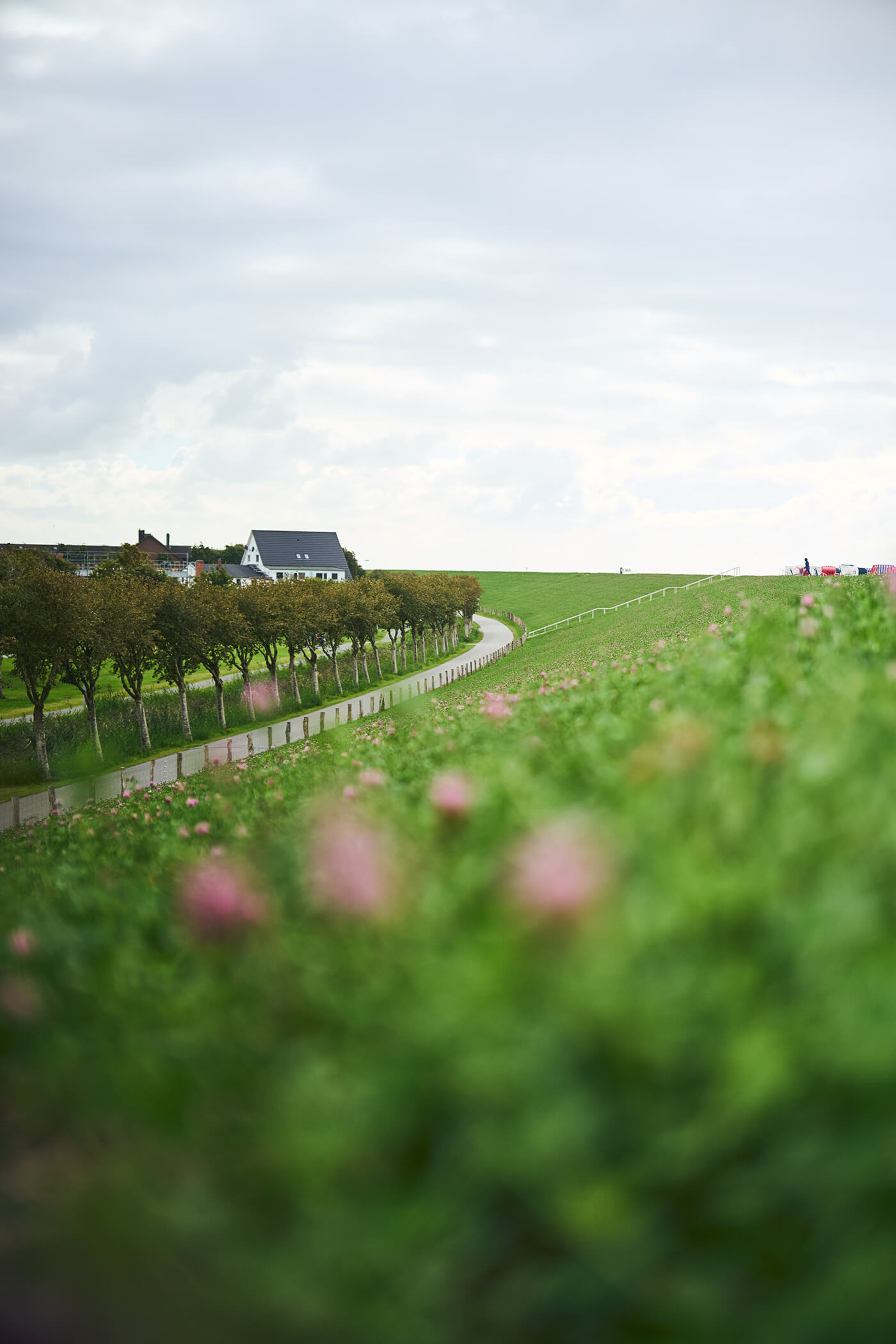
Sharpness in the center is actually quite decent, even at F1.8. Wide open, contrast is a little lower and there is a slight glow to fine details, but it is far from unusable. Stop down a little and image quality improves noticeably.

No, it does not compete with the Nikon Z 50mm F1.8 S. But expecting that from a $99 lens would be pretty unreasonable.
The edges and corners are a different story. Sharpness drops off noticeably and the vignetting is strong. And by strong, I really mean strong.
Even at F5.6, the darkening is still visible. It is only around F8 that it becomes much less noticeable. My particular sample also seems to darken more strongly on one side than on the other in some images. Whether that is sample variation or a specific issue with my copy is impossible to say from testing just one lens.

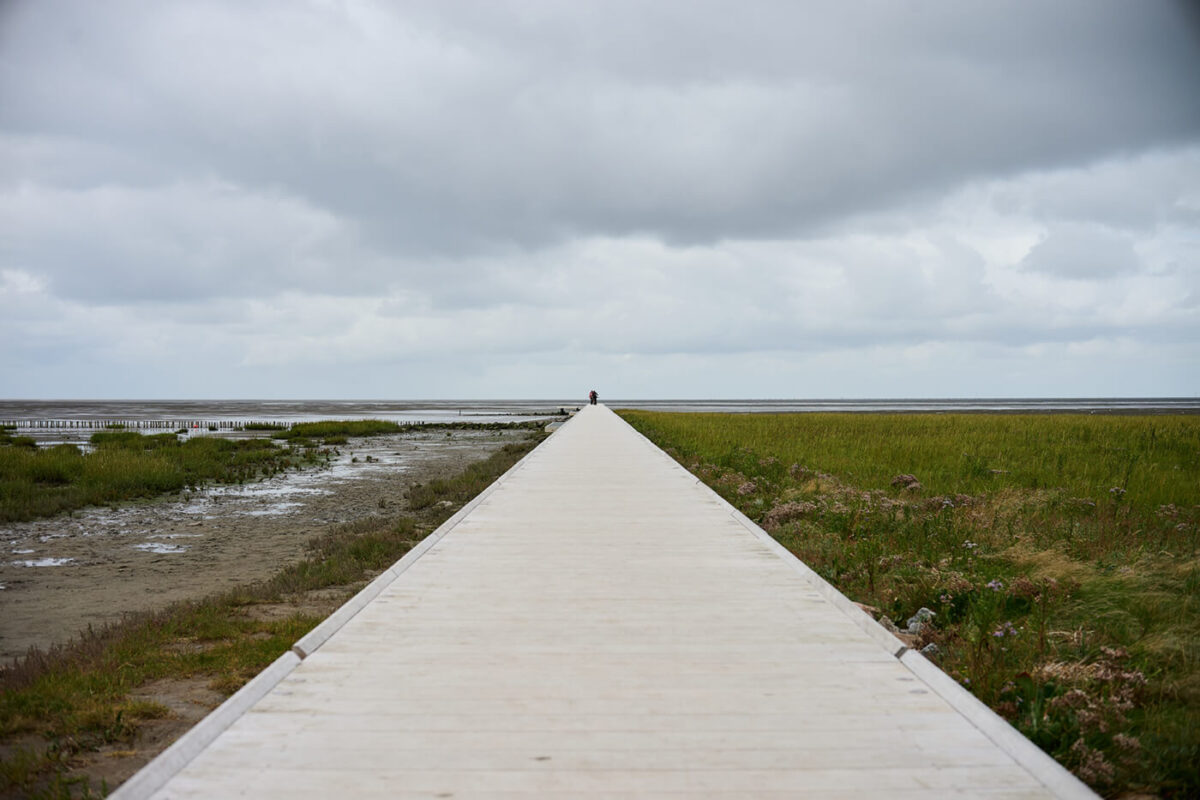
For portraits or subjects placed near the center, the vignetting can actually work quite well. For landscapes or architecture where you want consistent image quality across the entire frame, this would not be my first choice.
Chromatic Aberrations Are Definitely There
The TTArtisan is not highly corrected optically, which should not really come as a surprise at this price.
At wider apertures, longitudinal chromatic aberrations can be visible. Out-of-focus areas behind the focus plane can show green fringing, while areas in front can show a magenta or pink tint.

I could see it in some of my images, but it was not disastrous. Strong lateral chromatic aberrations directly around sharp high-contrast edges were less obvious during my first tests.
As always, this will depend heavily on the subject and lighting conditions. With strong backlight and very high contrast, I would expect the lens to show more weaknesses.
The Bokeh Was Another Surprise
I also expected the background rendering of a $99 lens to look considerably worse.
Instead, the bokeh is surprisingly clean. I did not see extreme soap-bubble structures or particularly obvious onion rings. Towards the edges, the shape of highlights changes somewhat, but overall the rendering is much calmer than I expected.

For portraits, flowers and other subjects where you want some separation from the background, F1.8 therefore works quite nicely.
Things change when stopping down. The lens only uses seven aperture blades, and they are not particularly rounded. As a result, out-of-focus highlights quickly become polygonal.
That used to be completely normal with older lenses, and personally I don’t find it particularly disturbing. But if perfectly round bokeh balls are important to you, it is worth keeping in mind.


What About Autofocus?
A lens without a focus ring depends almost completely on its autofocus performance.
In normal everyday use, I had no major problems with it. I did not perform an extensive sports autofocus test or laboratory measurements, but for family photos and spontaneous shots, it did what I needed it to do.

And I think this is actually one of the most important points.
Many people buying a lens this inexpensive are probably going to rely on their camera’s autofocus anyway. Especially beginners are increasingly used to face detection, eye detection and subject recognition. They may never touch a manual focus ring in normal use.
For those photographers, its absence might matter far less than it initially sounds.
This Lens Is Definitely Not for Everyone
I still would not recommend the TTArtisan 50mm F1.8 NEO to absolutely everyone.
If I deliberately go out because I want to spend a few hours photographing, it probably would not be my first choice. For me, using the camera and lens is part of the experience. I enjoy manual lenses, I like having physical controls and sometimes I simply want to focus manually.
This lens gives me almost none of that.

But when I’m going somewhere for another reason and just want to bring a camera in case an interesting photo appears, things are different.
Then I don’t necessarily need five switches and several control rings.
I need something small, reasonably fast and capable of producing good images.
And strangely enough, that is exactly what the TTArtisan does.
Conclusion: A Surprisingly Capable $99 Lens
I was honestly almost looking forward to finally testing a genuinely bad lens again.
Unfortunately, that didn’t happen.
The TTArtisan 50mm F1.8 NEO is far from perfect. Vignetting is strong, edge performance is clearly weaker than the center, chromatic aberrations are present and TTArtisan has removed almost every physical control that could possibly be removed.
And yet, the overall package works surprisingly well.
For around $99, you get a full-frame 50mm F1.8 with autofocus, decent center sharpness and surprisingly pleasant bokeh. For portraits, family photography, everyday use and simple subject isolation, you can get a lot out of it.
For landscapes, architecture or photographers who want maximum control directly on the lens, I would look elsewhere.
But if the question is:
“I want a 50mm F1.8 for my full-frame camera and I want to spend as little as possible.”
It is difficult to go much cheaper than this.
And that is exactly why this slightly strange lens ended up being much more interesting than I expected.
Disclosure: The TTArtisan 50mm F1.8 NEO was provided to me free of charge by Vitopal for this review. There were no requirements regarding my opinion, and Vitopal had no influence on the content or conclusion of this review.
TTArtisan 50mm F1.8 NEO at Pergear:
Sony E at Pergear*
Nikon Z at Pergear*
L-Mount at Pergear*
*Affiliate links: I earn a commission if you purchase through these links, at no extra cost to you.