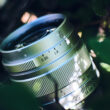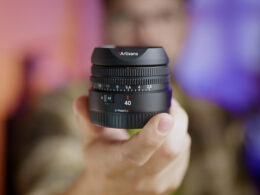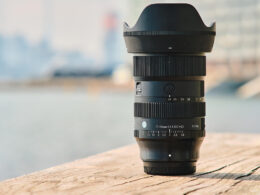


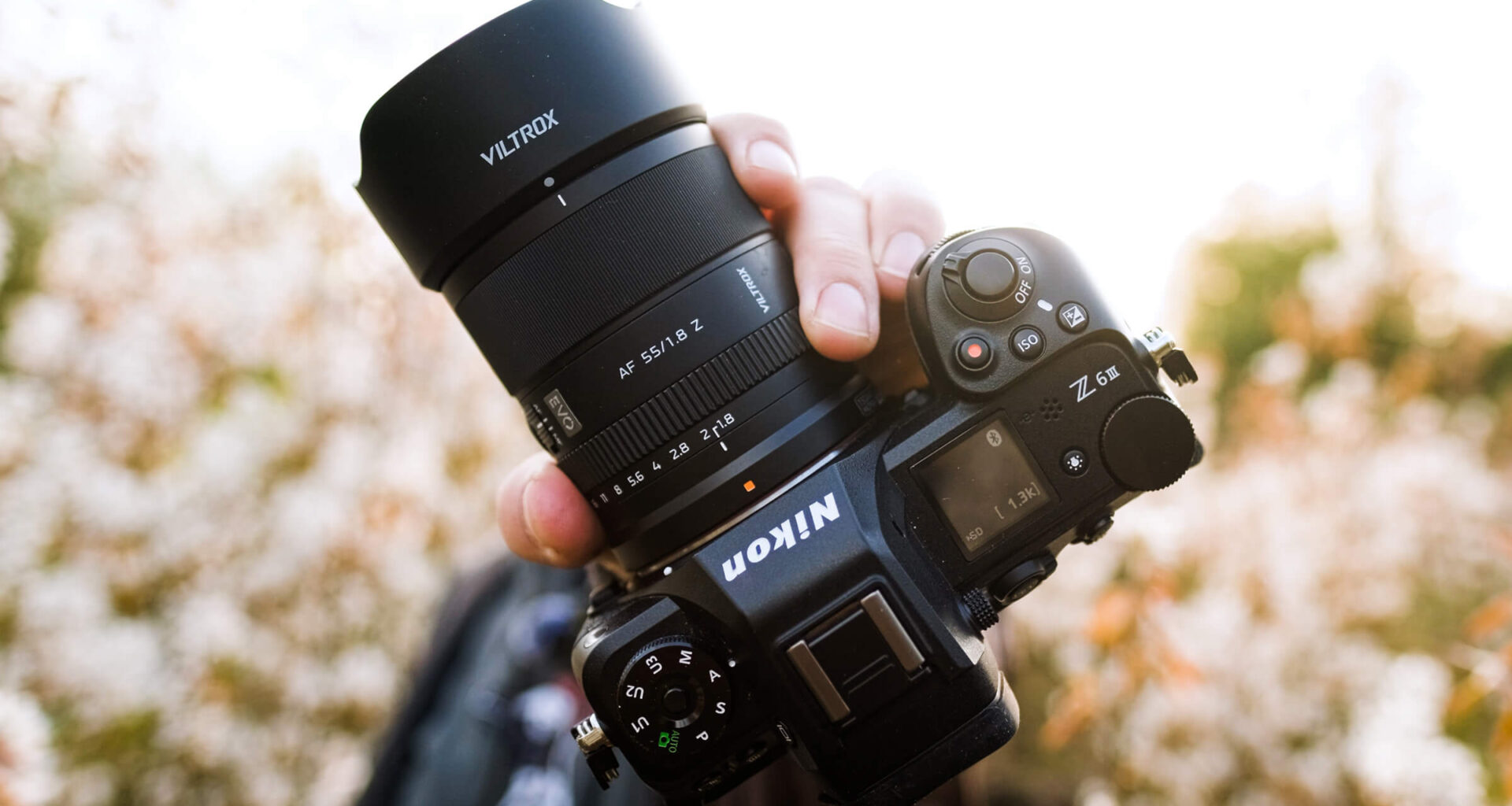

When I first read that Viltrox was releasing an apochromatic lens for around €420, I was honestly sceptical.
APO is something I usually associate with expensive high-end optics. It sounds like the kind of feature that looks impressive on a specification sheet but might only make a noticeable difference when analysing images at 200 percent. Viltrox, however, promises this level of optical correction at a considerably lower price.
So the interesting question for me was simple: does the APO designation actually make a difference in real-world photography?
After using the Viltrox 55mm F1.8 EVO APO on my Nikon Z system, the answer is surprisingly clear.
What Does APO Actually Mean?
Different wavelengths of light are refracted slightly differently when passing through the optical elements of a lens. If they do not converge at exactly the same point, this can result in chromatic aberration.
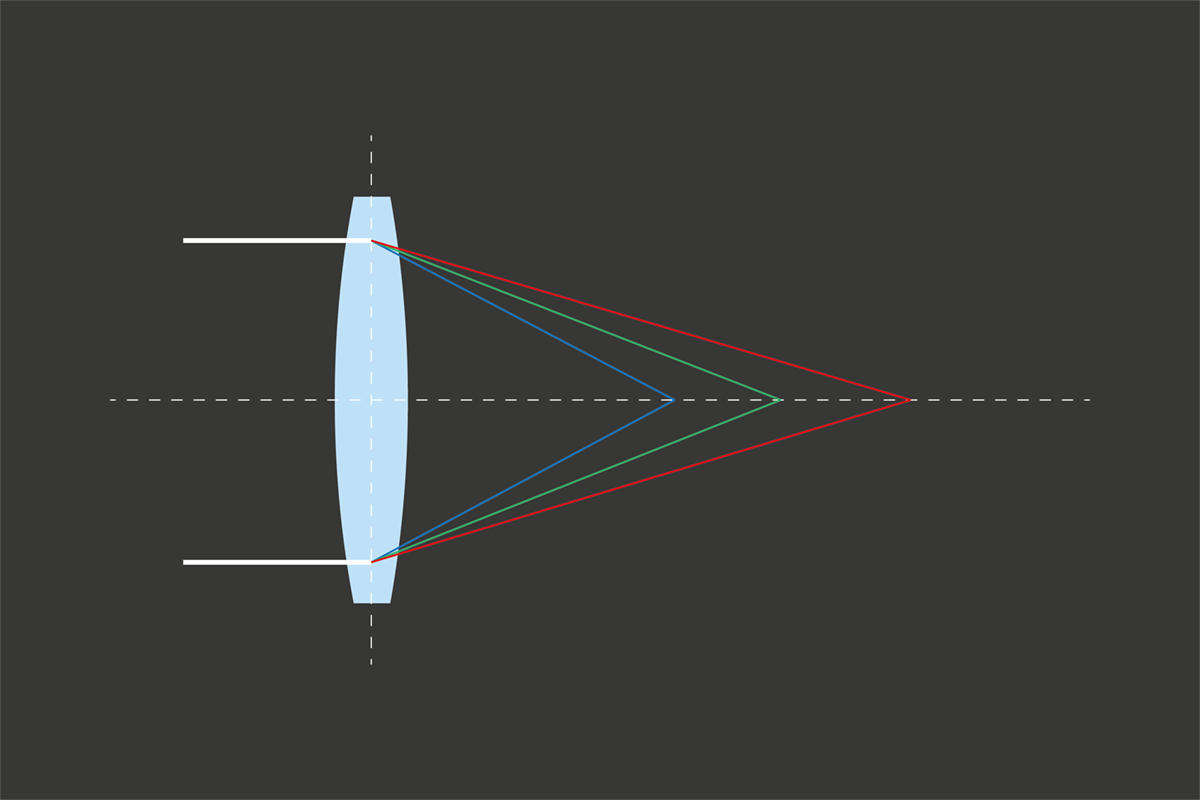
In practice, that often appears as purple, magenta or green colour fringes around high-contrast edges. With fast lenses, you can also see these colours in front of and behind the focus plane, particularly around reflective surfaces, branches against a bright sky or strong highlights in the background.
An apochromatic lens is designed to bring different wavelengths of light much closer to the same focal point and therefore minimise these colour errors.
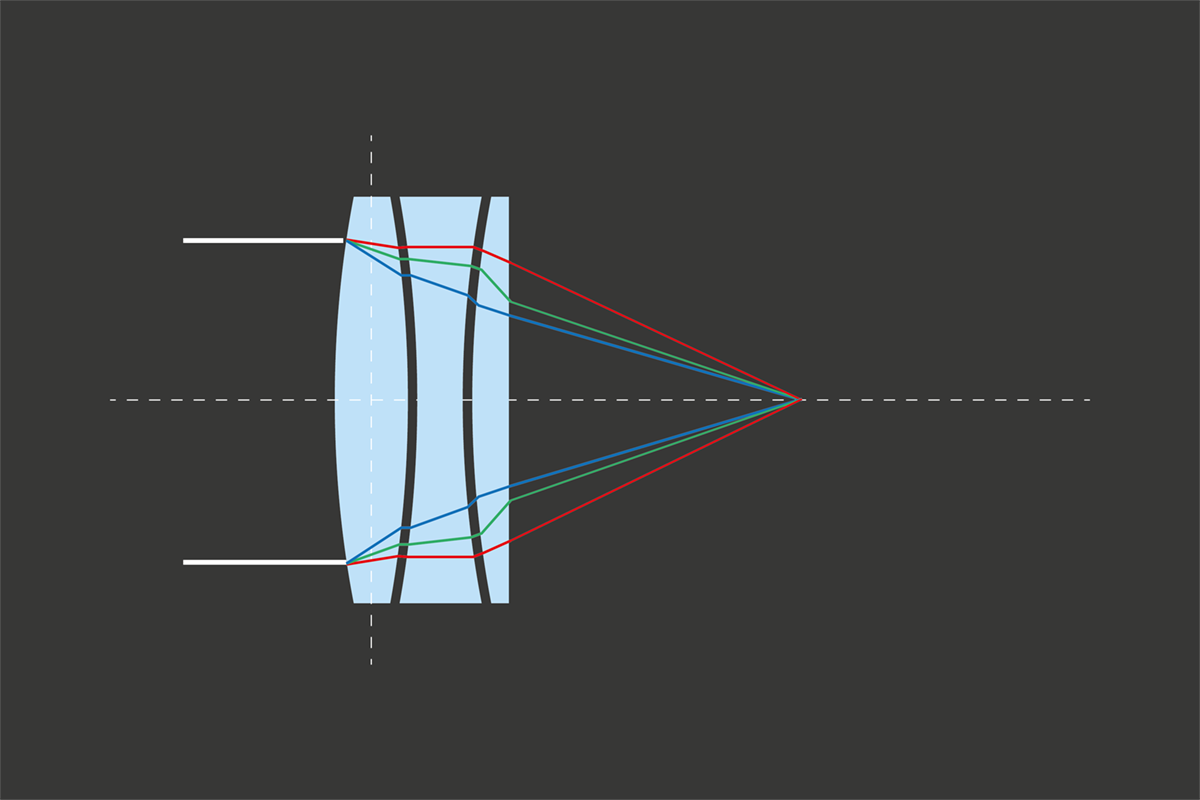
That sounds good in theory. But I was much more interested in whether I could actually see the difference in my photos.
Chromatic Aberration: Almost Impossible to Find
I deliberately looked for situations where fast lenses normally tend to struggle. Strong backlight, fine structures against bright backgrounds and hard transitions between dark and bright areas.
And I found almost nothing.

No obvious purple fringing, no distracting green edges in the background and no coloured outlines around the focus plane. Even when zooming in considerably, the files remained remarkably clean.
Of course, I would not claim that any lens is completely free from chromatic aberration under every imaginable condition. But in the photographs I took, I simply could not find anything that bothered me or required correction afterwards.

That is probably what surprised me most about the Viltrox 55mm F1.8 EVO APO. It is not just technically impressive. The clean optical correction also affects the overall look of the images. Transitions around the focus plane remain natural and high-contrast details do not suddenly develop distracting purple or green edges.
Especially for a fast F1.8 prime lens in this price range, that is impressive.
Build Quality and Handling
The rest of the lens also feels more premium than the price might suggest.
You get an aperture ring with a switch that allows you to choose between clicked and clickless operation, an AF/MF switch and a customisable function button. There is also a USB-C port for firmware updates and weather sealing against dust and moisture.
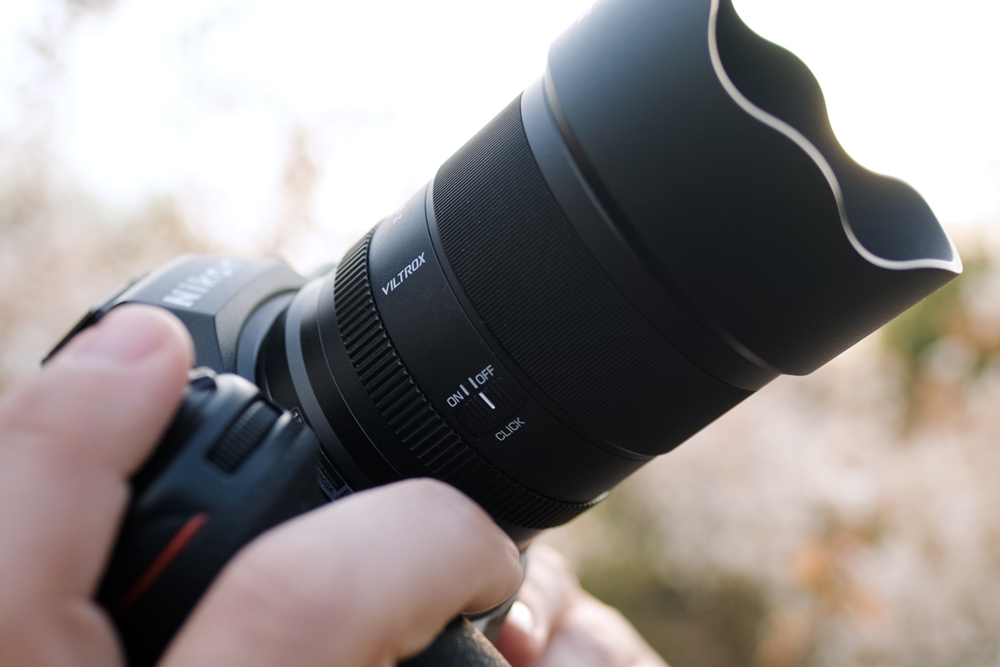
At around 380 grams, the lens remains pleasantly compact. On a Nikon Zf in particular, I think the size and design work very well. It feels substantial without becoming unnecessarily large or heavy.
I also like having a physical aperture ring. For photography, I prefer using it with clicks, while the clickless mode can be useful for video. Overall, the controls give the lens a more complete feel than I would normally expect from a relatively affordable third-party prime.
Sharpness at F1.8
Sharpness is already very good at maximum aperture.
That is important to me because I do not want to buy an F1.8 lens only to discover that I need to stop it down immediately to get good results. With the Viltrox, I had no problem using F1.8 regularly.

The subject retains plenty of fine detail and the image does not suffer from the soft, slightly hazy appearance that some fast lenses show wide open. Stopping down improves things further, but during my time with the lens I simply did not feel the need to do that very often.
For nature details and similar subjects, F1.8 gives me exactly what I want: good sharpness on the subject combined with strong separation from the background.
Bokeh and Subject Separation
I also like the way the lens renders out-of-focus areas.
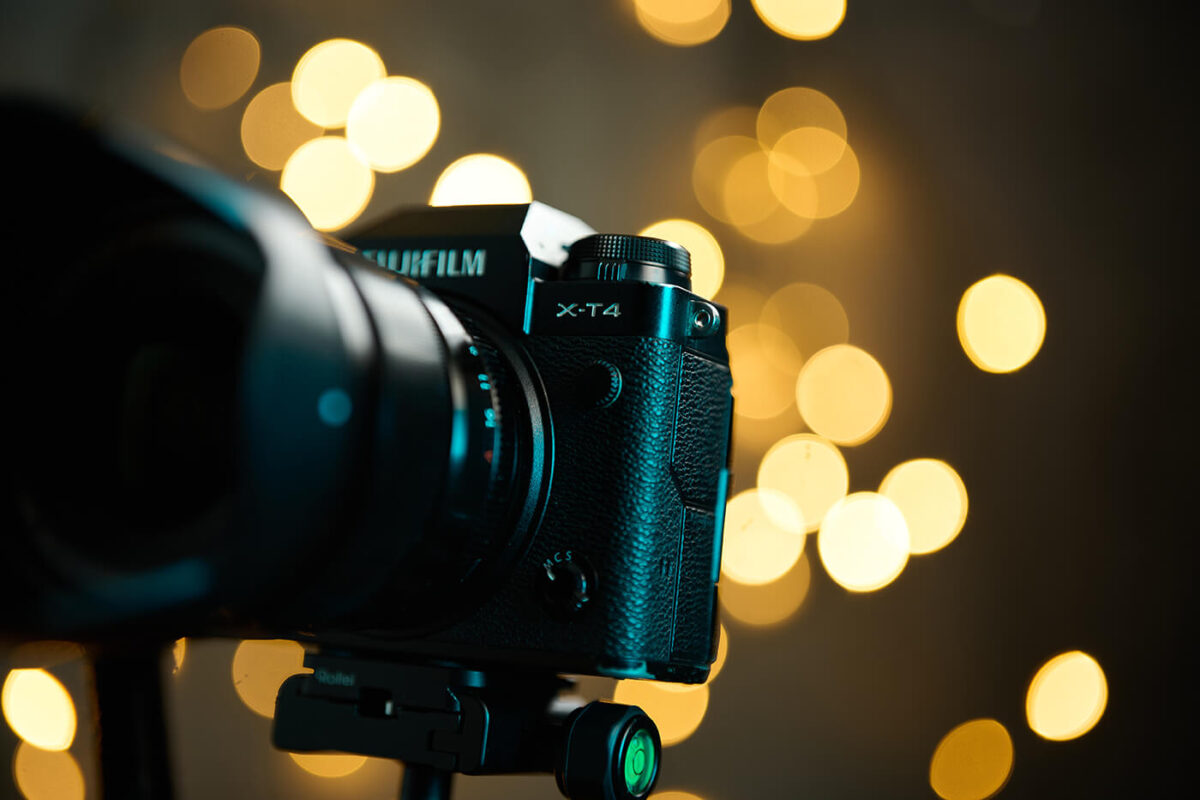
The bokeh is generally smooth and does not contain many distracting structures or harsh outlines. Combined with the very good correction of chromatic aberration, transitions between sharp and blurred areas look particularly clean.
Towards the edges of the frame, bokeh circles can become slightly oval and show the typical cat-eye shape. That is not unusual for a fast lens and did not bother me in normal photographs.

The 55mm focal length also gives you a little more compression than a classic 50mm lens while still remaining versatile. For nature details, environmental portraits and everyday photography, I find that slightly tighter field of view quite appealing.
Autofocus: Reliable, but Not Particularly Fast
Autofocus is one area where the Viltrox does not feel quite as impressive as its optical performance.
In good light, it works reliably and focus accuracy has not caused me any major problems. For static subjects, details and normal everyday photography, it does what I need.

In lower light, however, the autofocus can occasionally hesitate or hunt briefly. Sometimes you can actually see the focus moving towards the subject rather than snapping into place immediately.
For my type of photography, this is not a serious problem. But if you regularly photograph sports, fast action or subjects moving unpredictably towards the camera, it is something worth keeping in mind.
I would describe the autofocus as solid rather than fast.
Focus Breathing Is More Relevant for Video
Another weakness is focus breathing.
When changing the focus distance, the framing changes visibly. For photography, this is almost irrelevant because only the final frame matters. For video, however, it can become noticeable during deliberate focus transitions.
That is slightly unfortunate because the clickless aperture ring otherwise makes the lens quite interesting for hybrid shooters.
For interviews, talking-head setups or shots with relatively static focus, I would not consider it a major issue. If you frequently use visible focus pulls in your videos, however, the breathing is something you should be aware of.
My Experience with the Viltrox 55mm F1.8 EVO APO
So far, I have mainly used the lens for nature photography and detail shots, and that is where its strengths become very obvious.
You get clean transitions, excellent control of colour fringing, pleasant bokeh and very good sharpness already at F1.8. It is not a lens that tries to impress with an extreme vintage look or some unusual rendering.

Instead, it simply produces very clean files.
And sometimes that is exactly what I want.
The 55mm focal length is also versatile enough that I could easily see myself using it for portraits or general everyday photography. On a full-frame camera, it sits just beyond the classic 50mm field of view without feeling like a dedicated telephoto lens.
Mount options at Rollei
Choose the version for your camera. These affiliate links open the corresponding product pages; check current prices and availability in the shop.
Conclusion: The APO Label Is More Than Marketing
The Viltrox 55mm F1.8 EVO APO surprised me more than I expected.
I initially assumed that the APO designation might be one of those features that sounds more impressive on paper than it actually looks in real photographs. Instead, the difference is very easy to appreciate. I deliberately tried to provoke chromatic aberration and found almost nothing worth correcting.
Add very good sharpness at F1.8, pleasant bokeh and solid build quality, and the result is a very capable standard prime for the money.
It is not perfect. Autofocus is more average than exceptional, and focus breathing is clearly visible when shooting video. But for photography, these compromises bother me much less than poor optical correction would.
For around €420, the Viltrox 55mm F1.8 EVO APO therefore offers something I did not necessarily expect at this price: a fast, compact prime that produces remarkably clean images without forcing me to fix colour fringing afterwards.
And in this case, the APO label really does seem justified.