




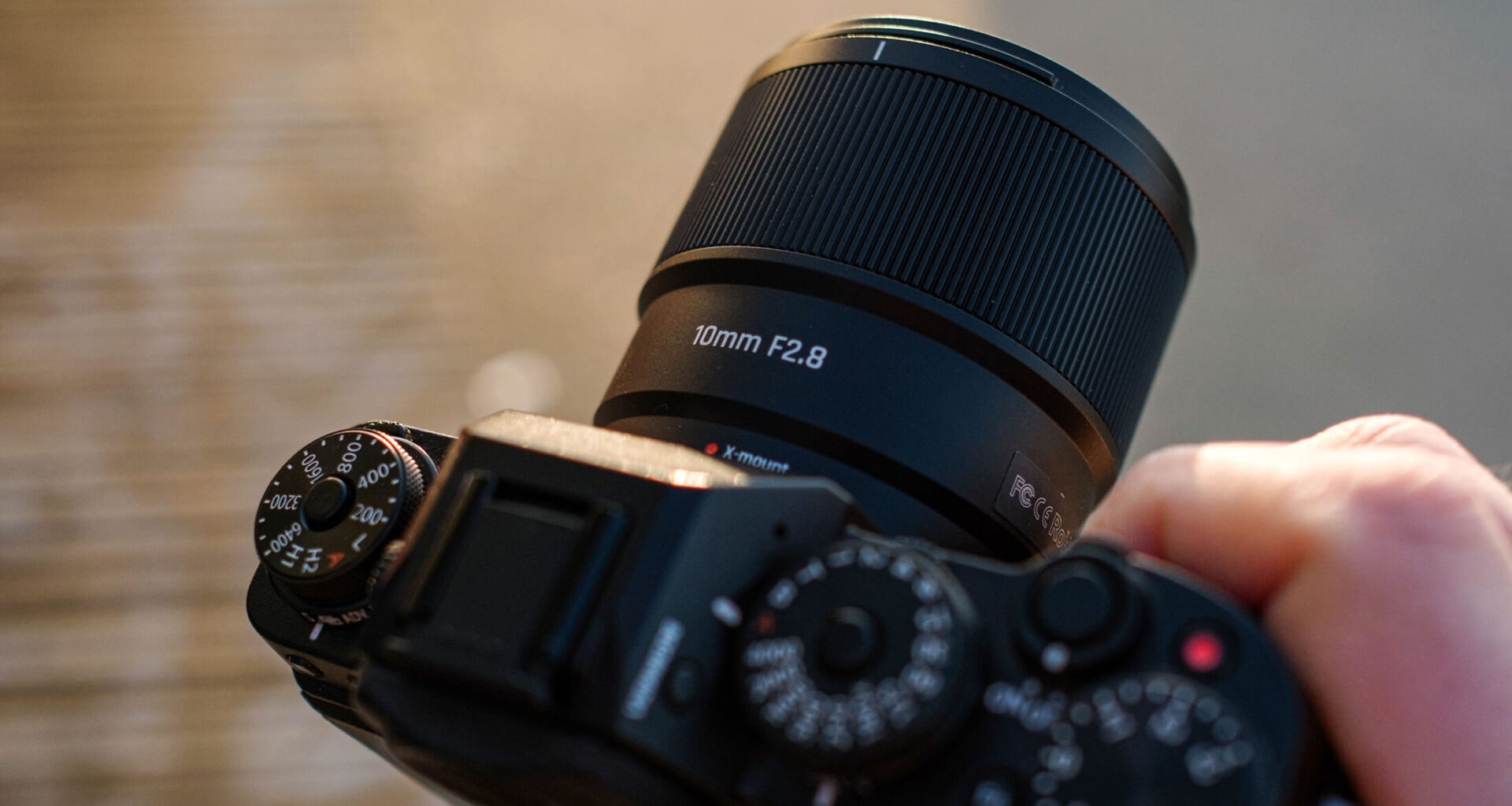

Ultra-wide-angle lenses with autofocus are still relatively rare in the APS-C market, especially if you want something affordable. That’s exactly why the 7Artisans 10mm F2.8 for Fujifilm X immediately caught my attention. A 10mm focal length on APS-C is already pretty extreme and works particularly well for architecture, narrow streets, urban photography, interiors, or deliberately dramatic perspectives. At the same time, a lens like this is also quite demanding. The edges need to hold up reasonably well, backlight should be handled properly, and build quality shouldn’t be neglected either.
After spending some time with the lens in real-world situations, my overall impression is positive. The 7Artisans 10mm F2.8 isn’t a perfect lens, but it’s a surprisingly well-rounded package for anyone looking for an affordable ultra-wide autofocus lens for the Fujifilm X system.
Build Quality and Features
One of the first things you notice about the 7Artisans 10mm F2.8 is its solid build quality. The body is mostly made of metal and feels pleasantly substantial. At the same time, the lens is surprisingly lightweight. It doesn’t feel like a massive chunk of glass, but rather like a compact specialist that pairs nicely with smaller Fujifilm cameras and doesn’t become annoying to carry even on longer walks.
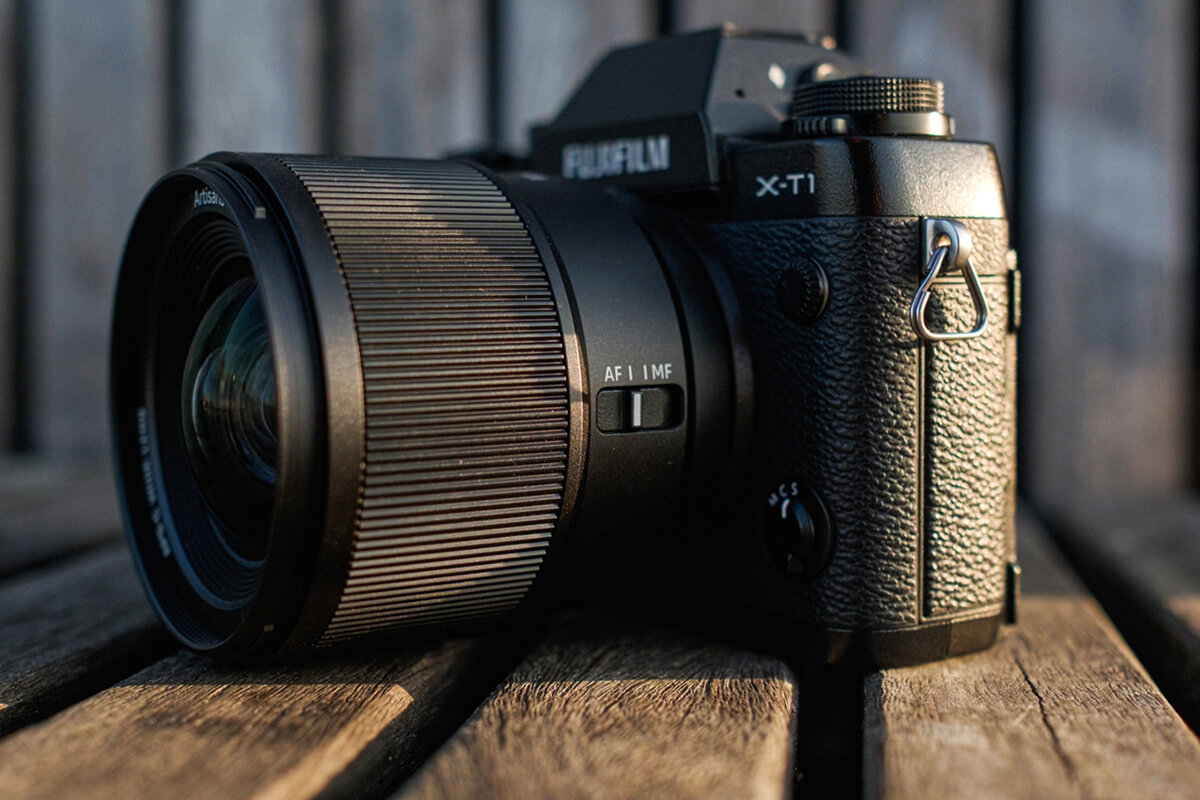
The AF/MF switch on the side is a practical addition and certainly not something you can take for granted in this price range. There’s also a small rubber gasket around the mount. I wouldn’t call this proper weather sealing, but some additional protection in this area is still welcome. The lens also features a USB port on the mount for firmware updates. Especially with autofocus lenses, this is something I’ve come to appreciate.
The focus ring itself is made of plastic rather than metal, but it turns smoothly and offers a pleasant amount of resistance. Overall, it fits the character of the lens quite well. The front design is also interesting. Despite the curved front element, it sits far enough inside the barrel to allow the use of standard screw-in filters. The filter thread measures 62mm, which is definitely a nice bonus for an ultra-wide lens in this class.
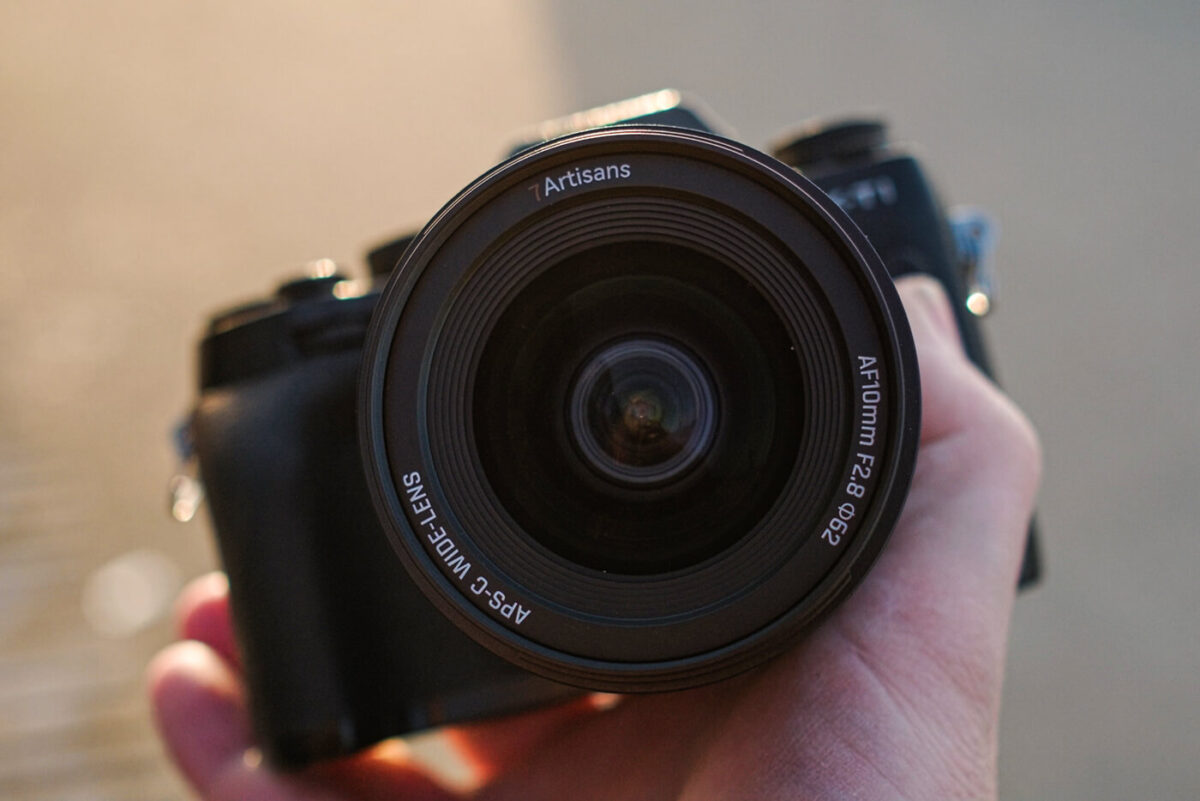
Image Quality in Real-World Use
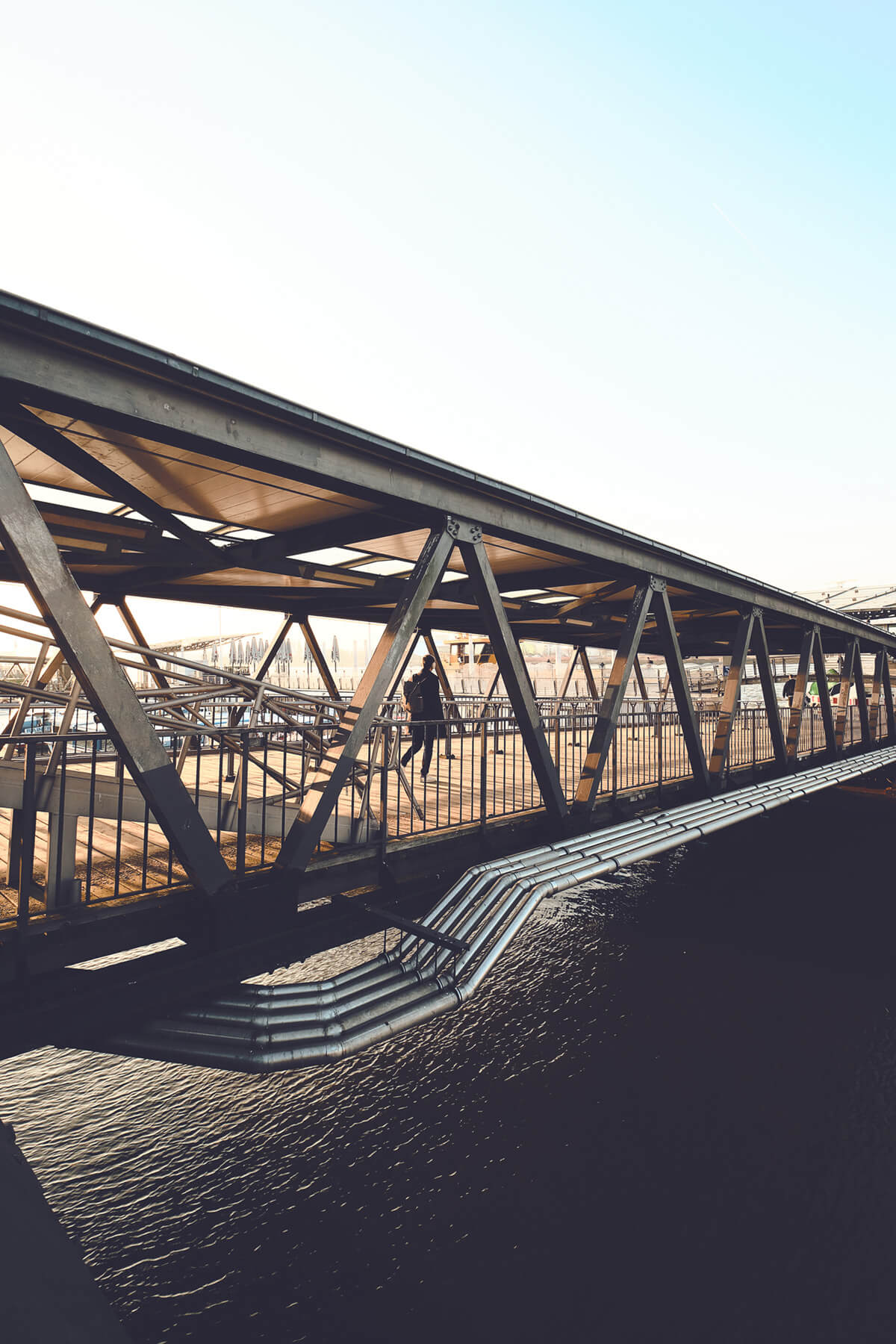
Of course, image quality is the crucial factor with a lens like this, and this is where the 7Artisans 10mm F2.8 surprised me in a positive way. Even wide open, it delivers decent sharpness in the center of the frame. That’s important because a focal length like this isn’t necessarily something you’ll only use carefully from a tripod. It’s often used spontaneously while walking around, travelling, or shooting in changing light.
One of the biggest positive surprises for me is the handling of chromatic aberrations. With such an extreme wide-angle lens, I expected more issues when shooting into the light or around high-contrast edges. In reality, color fringing is surprisingly well controlled. It isn’t completely absent, of course, but it rarely becomes distracting in everyday use. Stopping down improves things even further.


The edges and corners are visibly softer than the center when shooting wide open, which isn’t particularly surprising for a lens of this type and price. I didn’t find it to be a major problem, though. Once you stop down to F5.6, the image becomes noticeably more consistent across the frame, and the 7Artisans performs quite well over a large part of the image area. For landscapes, architecture, or cityscapes, I would often stop down slightly anyway, so in practice this matters less than it might sound on paper.
Distortion isn’t a major issue in normal use either. If you deliberately photograph test charts or brick walls, you’ll obviously be able to find some, but in typical real-world situations it never really bothered me. The same applies to vignetting. It’s visible wide open but stays within a range that I personally often find quite pleasing. Especially with atmospheric wide-angle shots, I don’t mind the image being subtly drawn toward the center, as long as the effect isn’t excessive.

Backlight and Flare
Backlight performance is particularly important with ultra-wide-angle lenses. This is often where the difference between an enjoyable lens and a frustrating one becomes obvious in practice. With the 7Artisans 10mm F2.8, I was positively surprised by how well flare and reflections are controlled in many situations. Even with the sun directly in the frame, the results were often noticeably cleaner than I expected from an affordable ultra-wide lens.
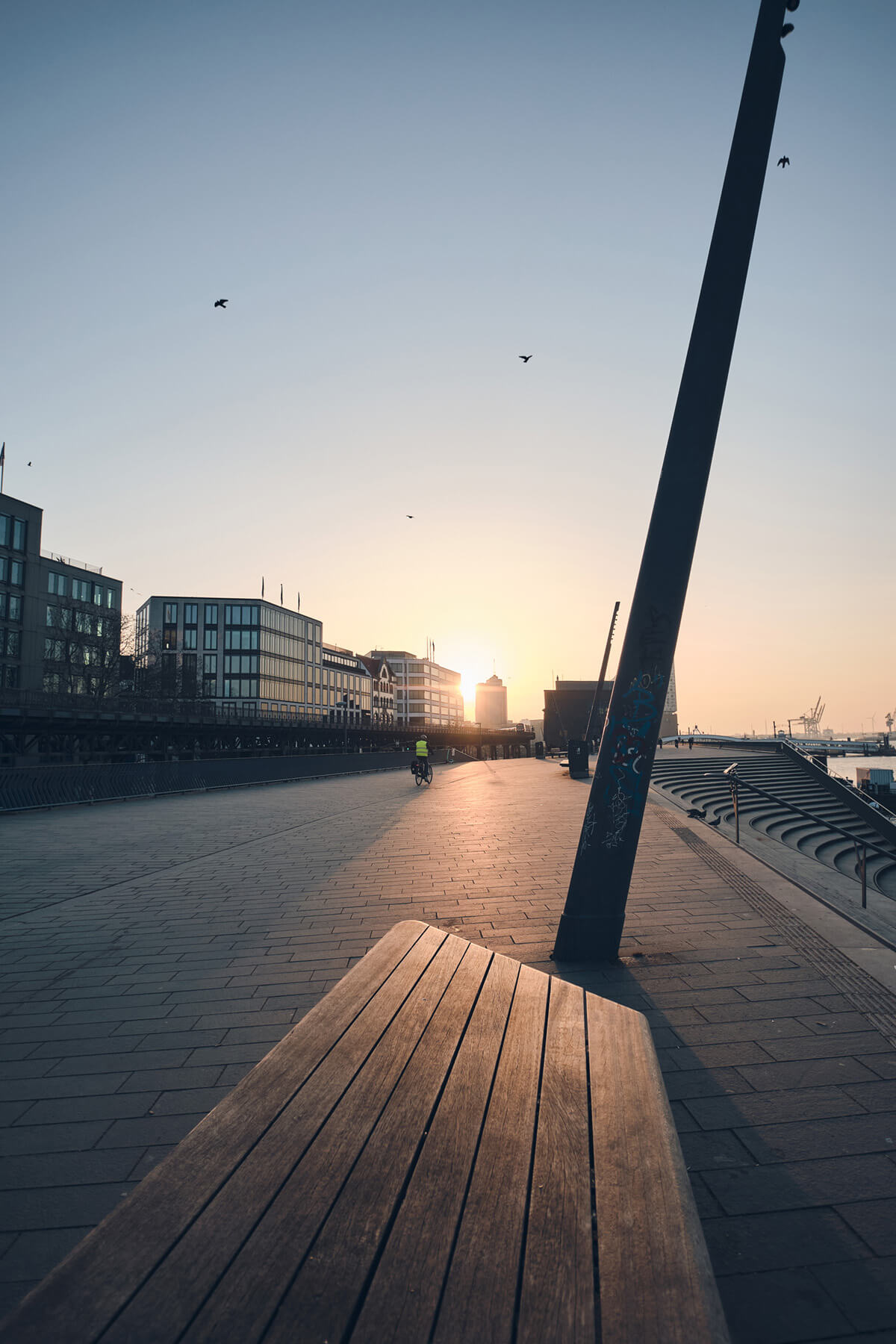
Of course, the lens isn’t completely immune to backlight artifacts. Depending on the situation, reflections can become visible, and certain lighting conditions make them more obvious than others. Overall, however, I’d say the lens performs better outdoors in real-world conditions than its price might suggest.
Autofocus and Handling
You shouldn’t expect miracles from the autofocus, but realistically, nobody needs blisteringly fast AF from a 10mm lens anyway. The STM motor isn’t particularly fast, but it’s reliable enough for typical applications such as street photography, architecture, everyday shooting, or travel. For an ultra-wide lens, that’s perfectly adequate. Depth of field is already generous at this focal length, so autofocus rarely reaches its limits in everyday use.
Overall, I like the handling. The lens remains pleasantly compact, feels well made, and pairs nicely with Fujifilm cameras. Since 10mm is often more of a specialist focal length for particular subjects, I think it’s important that a lens like this doesn’t become unnecessarily large or heavy. That’s something 7Artisans has done well here.
Where the 7Artisans 10mm F2.8 Falls Short
The lens isn’t without its weaknesses. The minimum focusing distance is rather average for an ultra-wide-angle lens, which somewhat limits the creative possibilities when working with subjects very close to the front element. The bokeh isn’t particularly spectacular either. To be fair, though, nobody buys a 10mm ultra-wide lens primarily for its bokeh. If you’re using a focal length like this, you’re generally looking for width, perspective, and a strong sense of space rather than creamy background blur.
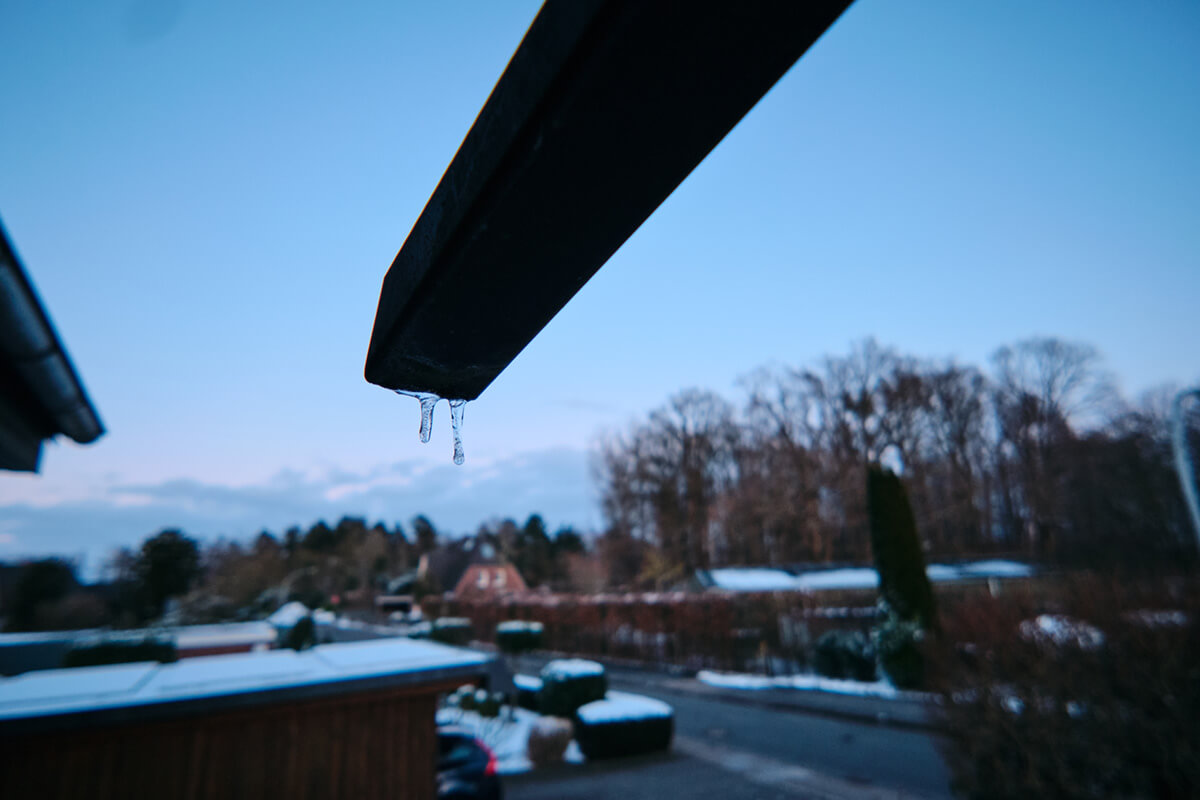
The visibly softer corners at F2.8 are another compromise. For some subjects, this won’t matter at all. For others, stopping down is the better choice. Ultimately, I wouldn’t consider this a deal-breaker. It’s simply something to keep in mind when deciding how to get the best results from the lens.
Conclusion: A Very Interesting Budget Option for Fujifilm
For me, the 7Artisans 10mm F2.8 is a successful ultra-wide-angle lens for the Fujifilm X system. The combination of a metal body, autofocus, filter thread, USB firmware updates, and generally convincing image quality is far from guaranteed at this price point. Chromatic aberrations and backlight issues are also surprisingly well controlled, while center sharpness is already perfectly usable wide open.
The lens isn’t perfect. The corners could be better at F2.8, and the minimum focusing distance isn’t particularly impressive. Still, what you get is a huge field of view for comparatively little money. If you’re looking for an affordable ultra-wide autofocus lens for Fujifilm X and don’t want a fisheye, the 7Artisans 10mm F2.8 is definitely worth a closer look.
Affiliate link:
7Artisans AF 10mm F2.8 APS-C